Photography by Nathan HeleineOpens in new tab
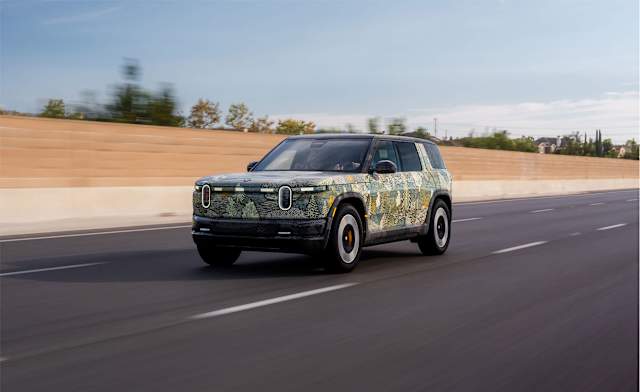
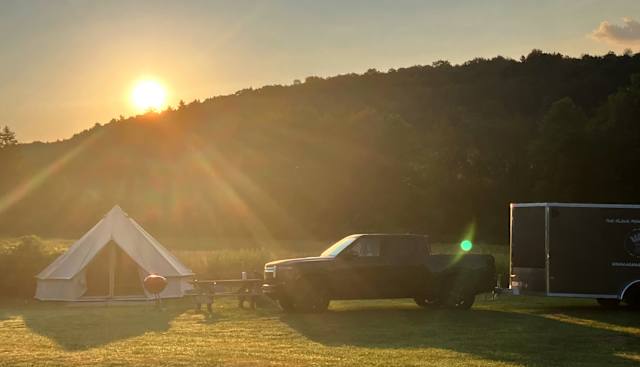
In late August, a group of Rivian engineers ventured into the American Southwest to put R1T towing capacity, battery cooling and cabin comfort to the test.
Their verdict? Adventure on. Just remember to drink plenty of water along the way.
Davis Dam
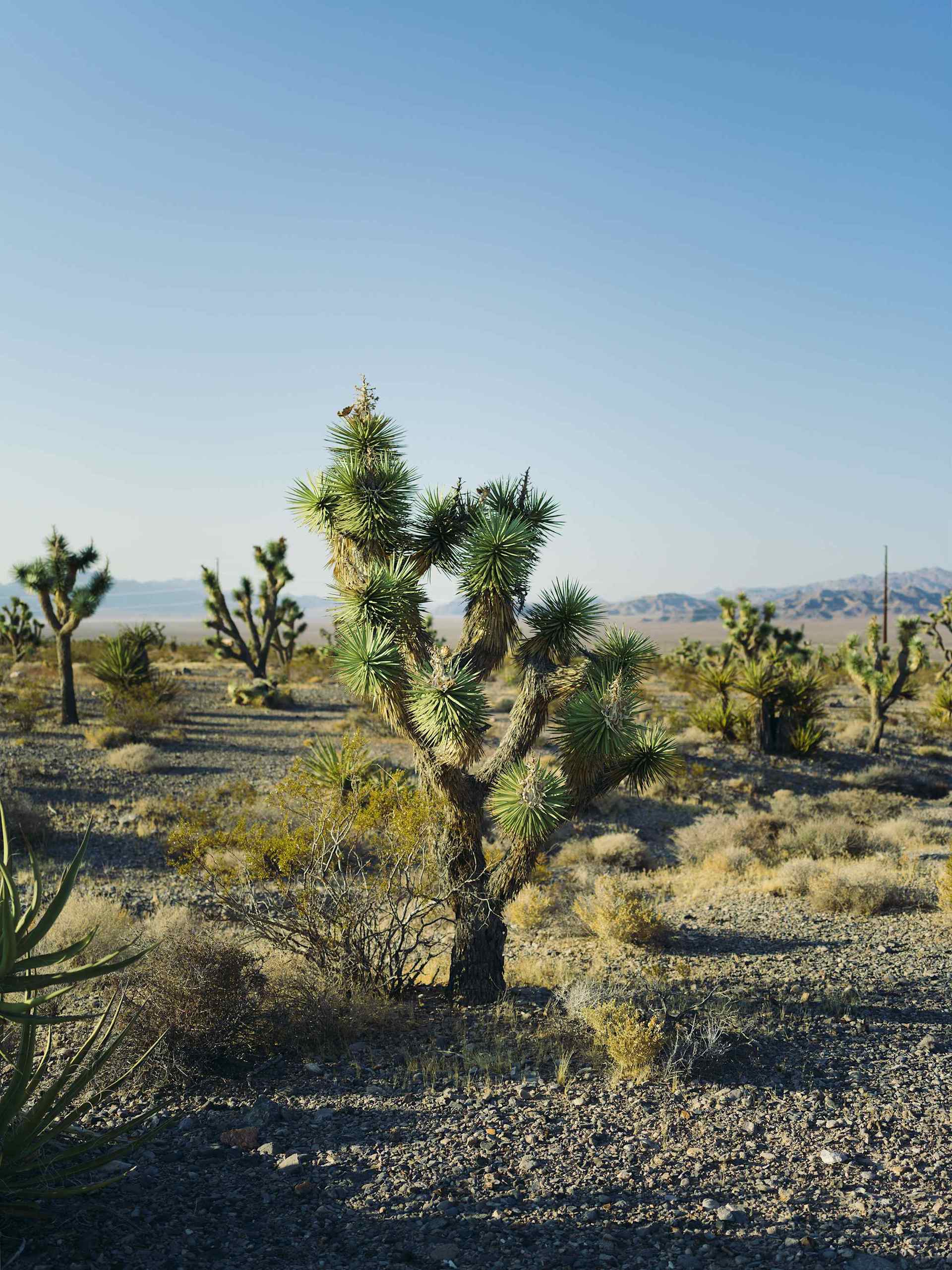
If you’re looking to prove a truck’s towing capacity, all roads lead to a demanding stretch of Arizona State Route 68, otherwise known in automotive testing circles as the Davis Dam Grade.
Established by the Society of Automotive Engineers (SAE) as the standard for determining a vehicle’s tow rating, the route begins at an elevation of 550 feet near the banks of the Colorado River in Bullhead City (about 90 miles south of Las Vegas and 70 miles downstream from the Hoover Dam), then climbs up through the Black Mountains to more than 3,500 feet in just 11.4 miles before gently tapering off near Golden Valley, Arizona.
As if the climb alone isn't demanding enough for towing heavy payloads, the test also requires an ambient temperature of at least 100 degrees Fahrenheit at the base of the route.


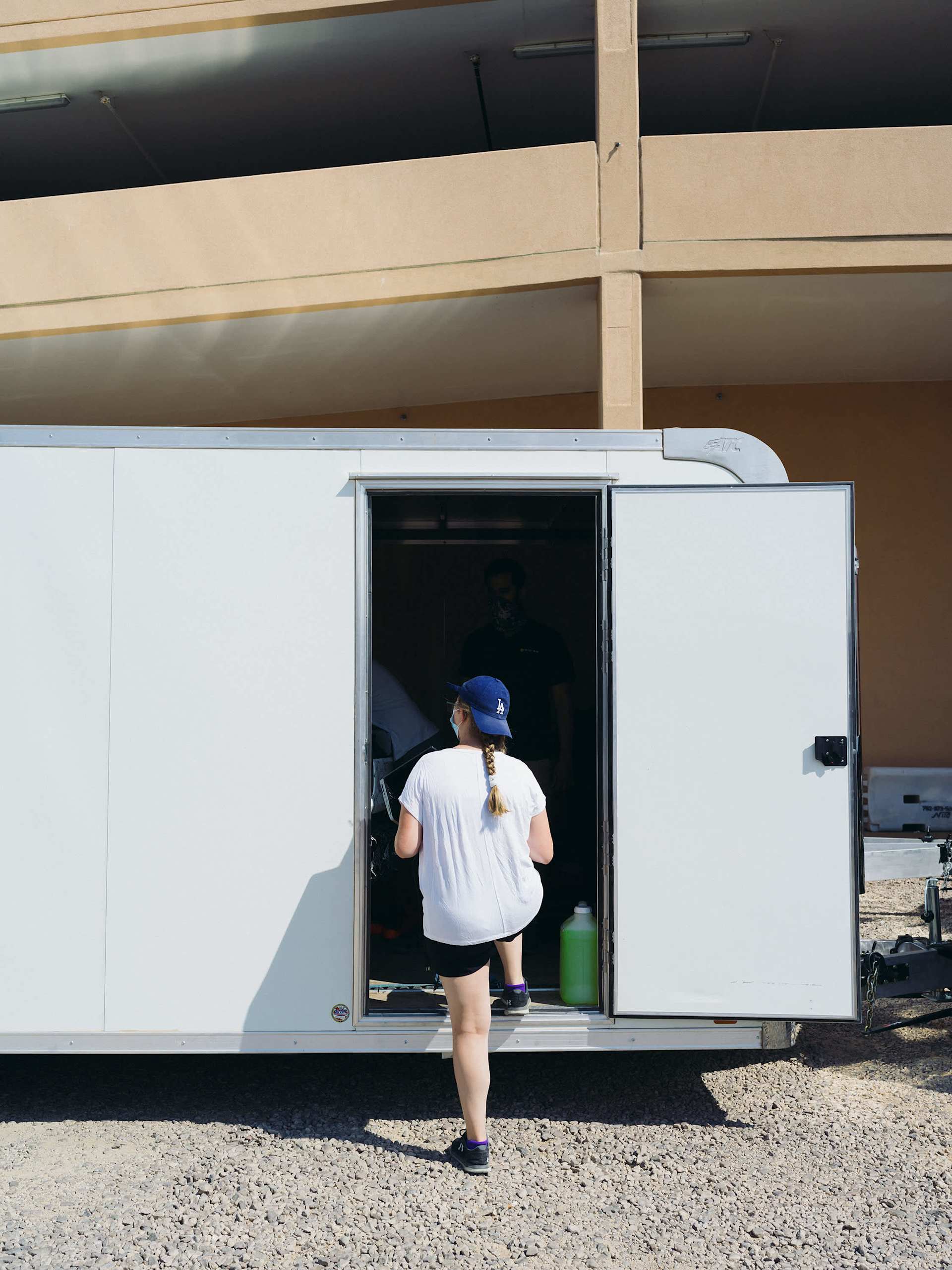

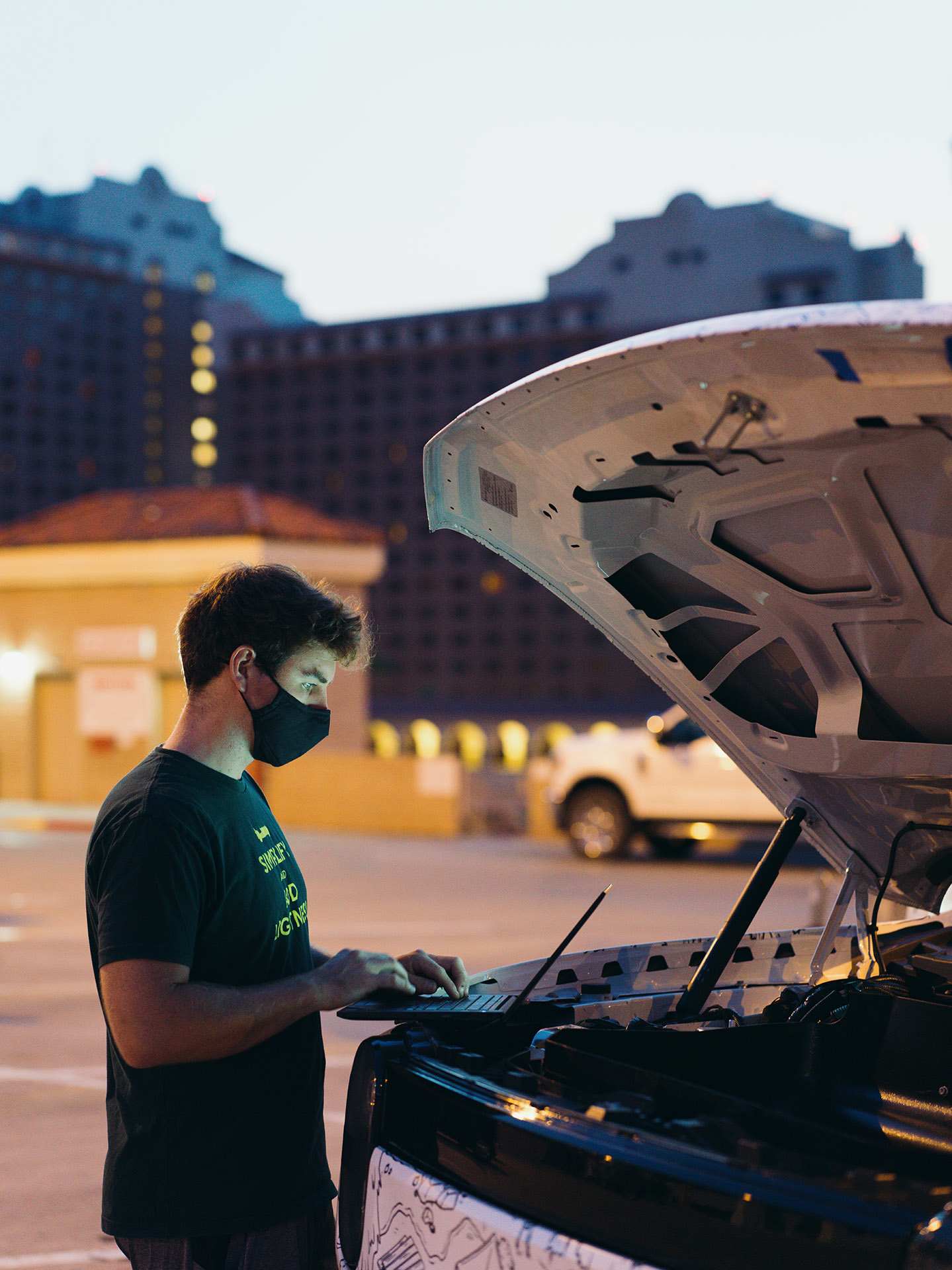
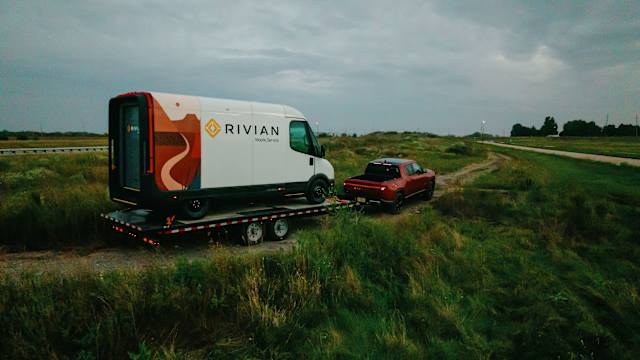
The R1T has been designed for a towing capacity of 11,000 pounds and the team made multiple runs on the Davis Dam Grade over two days while towing a 30-foot trailer loaded to this weight. And we did it under a blistering desert sun with temperatures topping out at around 118 degrees Fahrenheit.

"The R1T performed to the target, and beyond."
Sushant Lead Validation Engineer/Thermal Systems Validation


"Davis Dam is a very harsh test. It's important that we hit our benchmarks here. It's always fun when the team goes from "Ok, we got it" to "now let's push the envelope.""
Mike Development Engineer
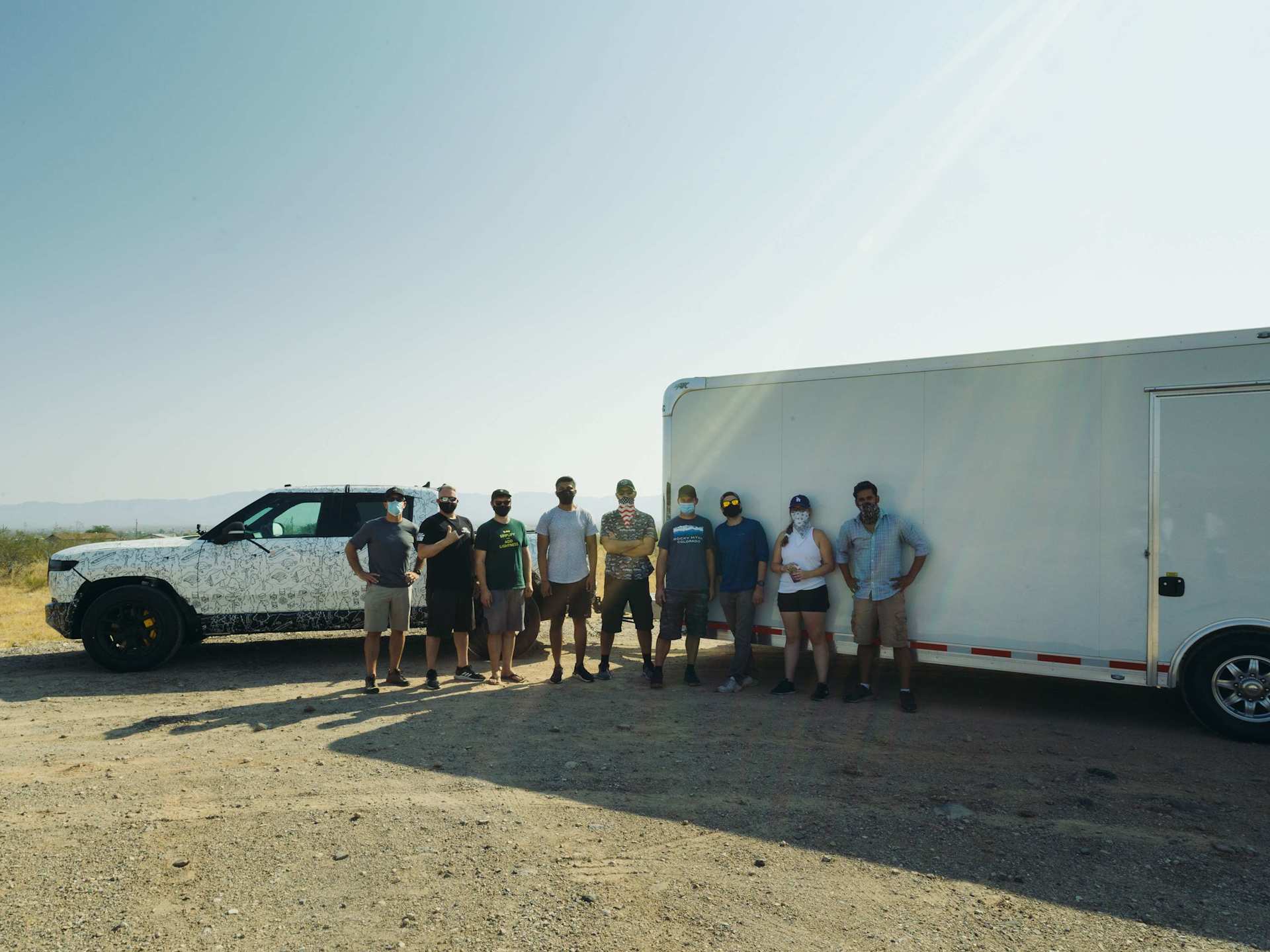
Beyond validation of our towing performance the team collected and assessed performance data to further refine the R1T systems and software for cabin comfort, torque control, efficiency and range.

"The Davis Dam test requires us to hit set targets, such as holding a minimum speed of 40 mph, and we surpassed those targets easily."
Abhi Senior Development Engineer
Mount Charleston
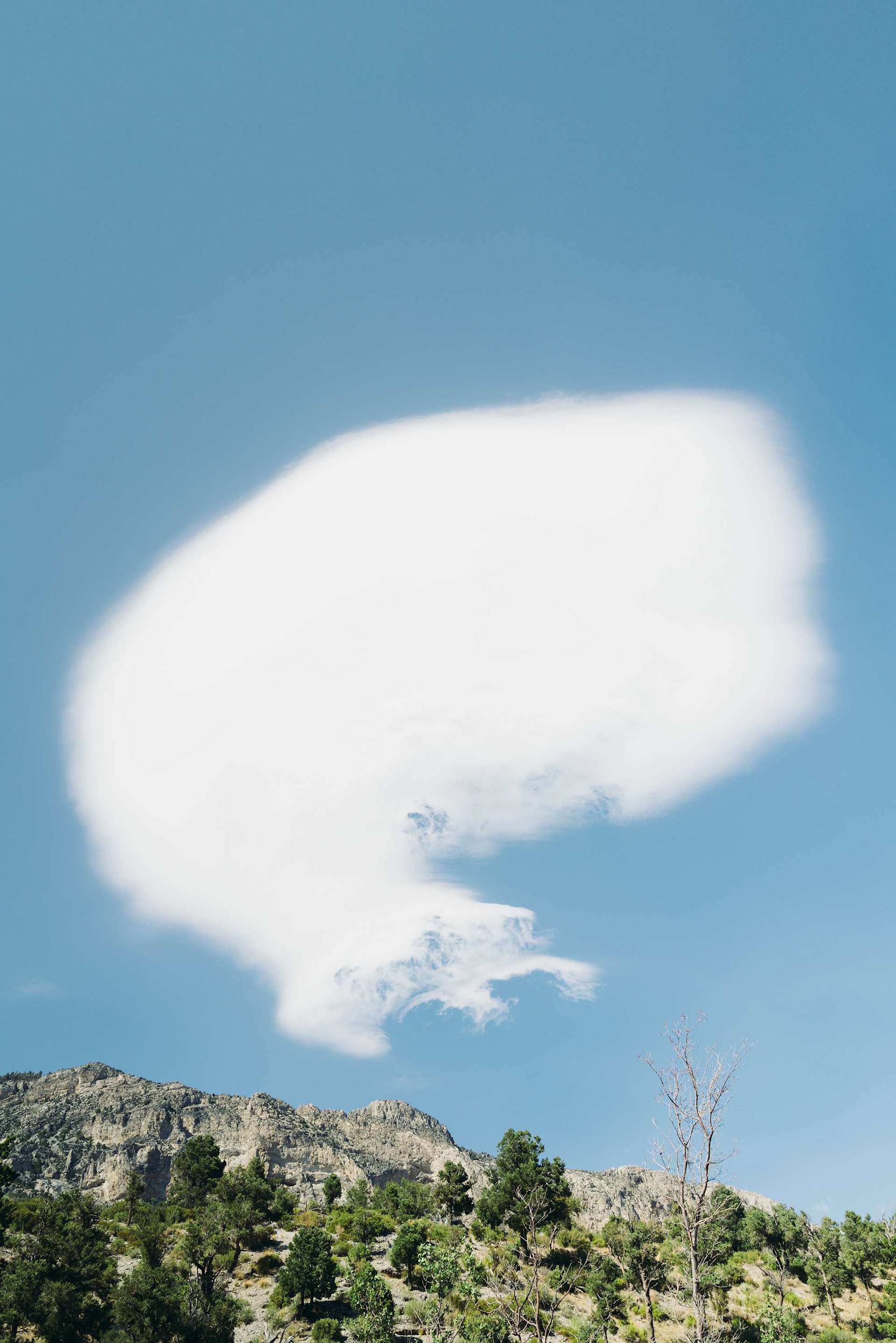
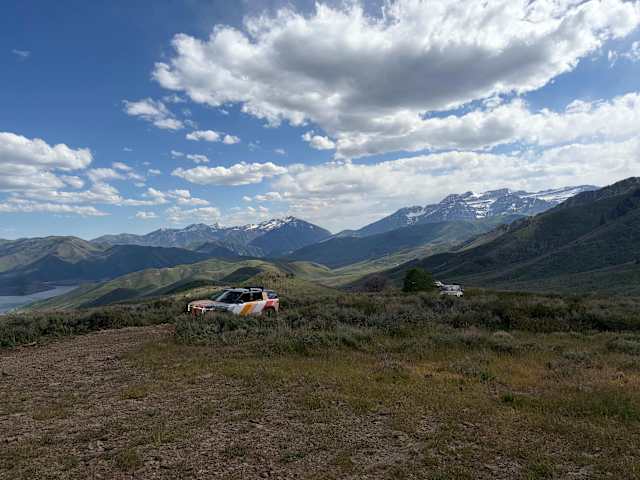
With Davis Dam behind us, the team then ventured westward to Mount Charleston. From a testing standpoint, Mount Charleston is effectively the next rung on the ladder: a steeper, longer grade. And from a human standpoint, the mountain delivers stunning relief from the surrounding Mojave Desert. Joshua trees, cliffrose and an occasional prickly pear cactus scatter across the landscape at lower elevations, then abruptly give way to a forested oasis of lupines, mountain mahogany, white firs, quaking aspens, cedars, ponderosa and bristlecone pines as you make the steady climb. The oldest bristlecone on the mountain, called a "raintree," is estimated to be about 3,000 years old.
Between successful test runs, while admiring the local flora and a handsome cloud formation overhead, one of the engineers on the team, Jessica, explained the upside of these in-between moments.

"We get really excited about the different ways we can start analyzing the data we're getting. It can be totally nerdy, like a program that will plot data in a certain format. But working on that stuff in the background between runs just gets you pumped."
Jessica Controls Integration Engineer
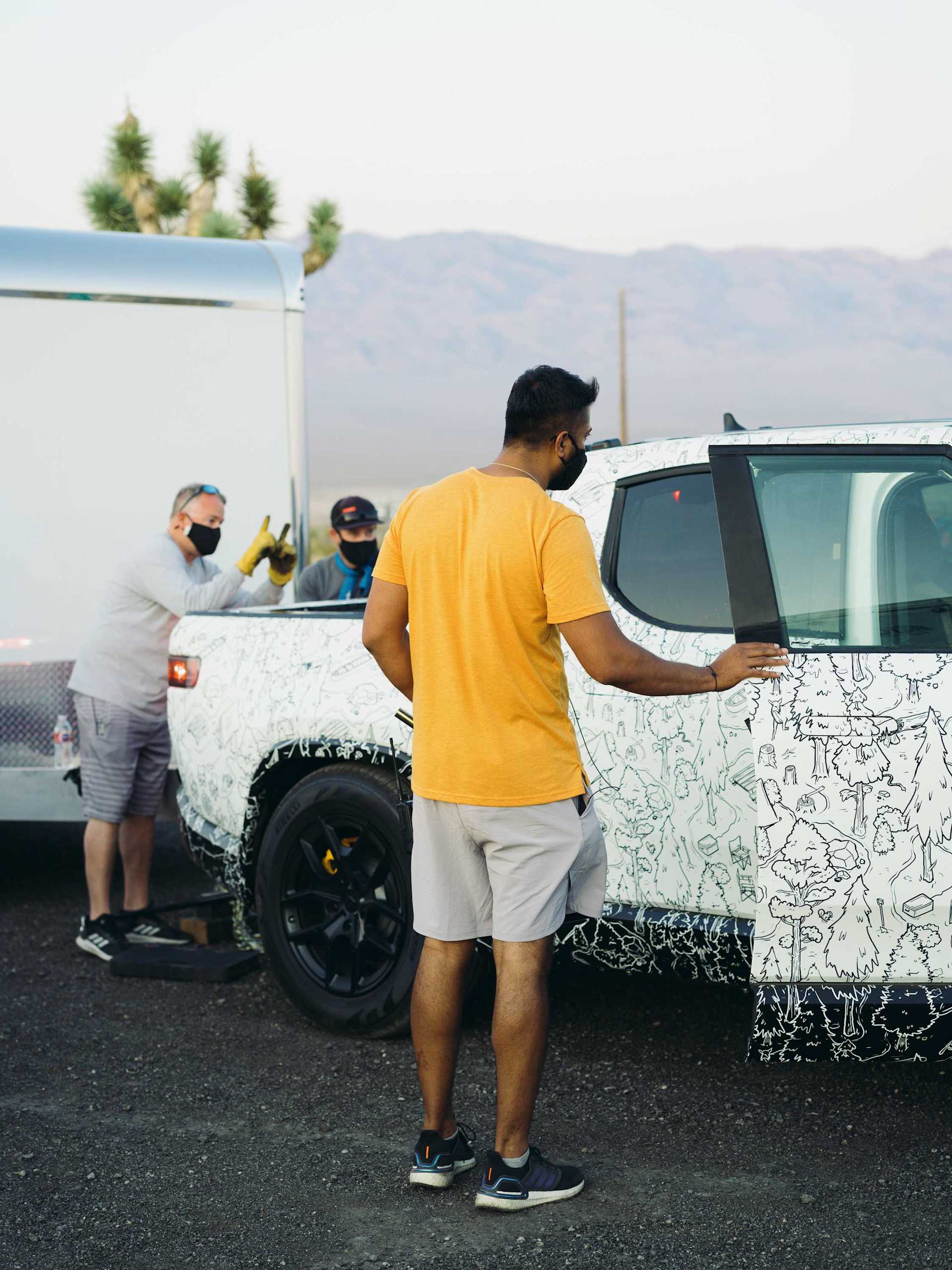



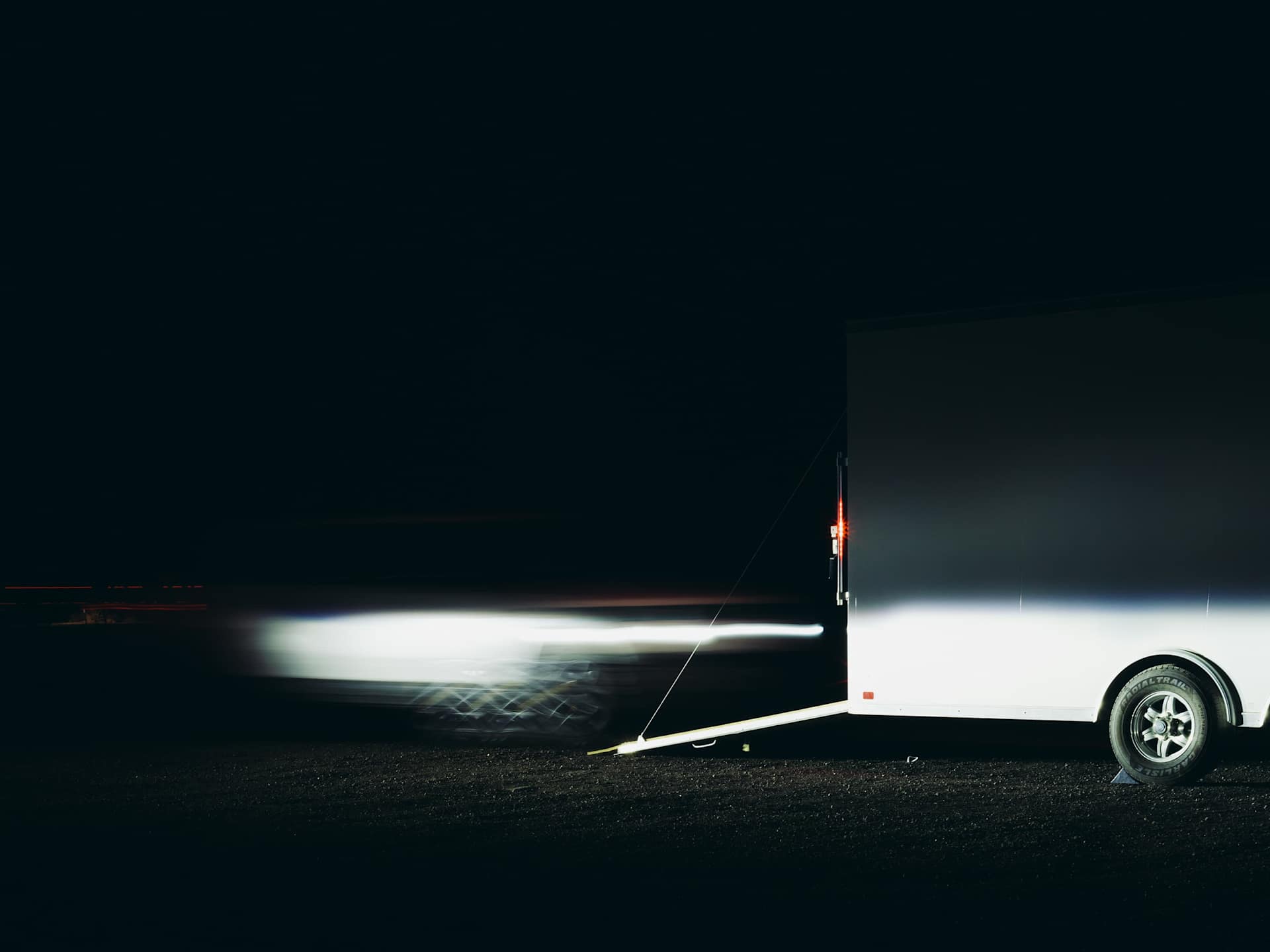
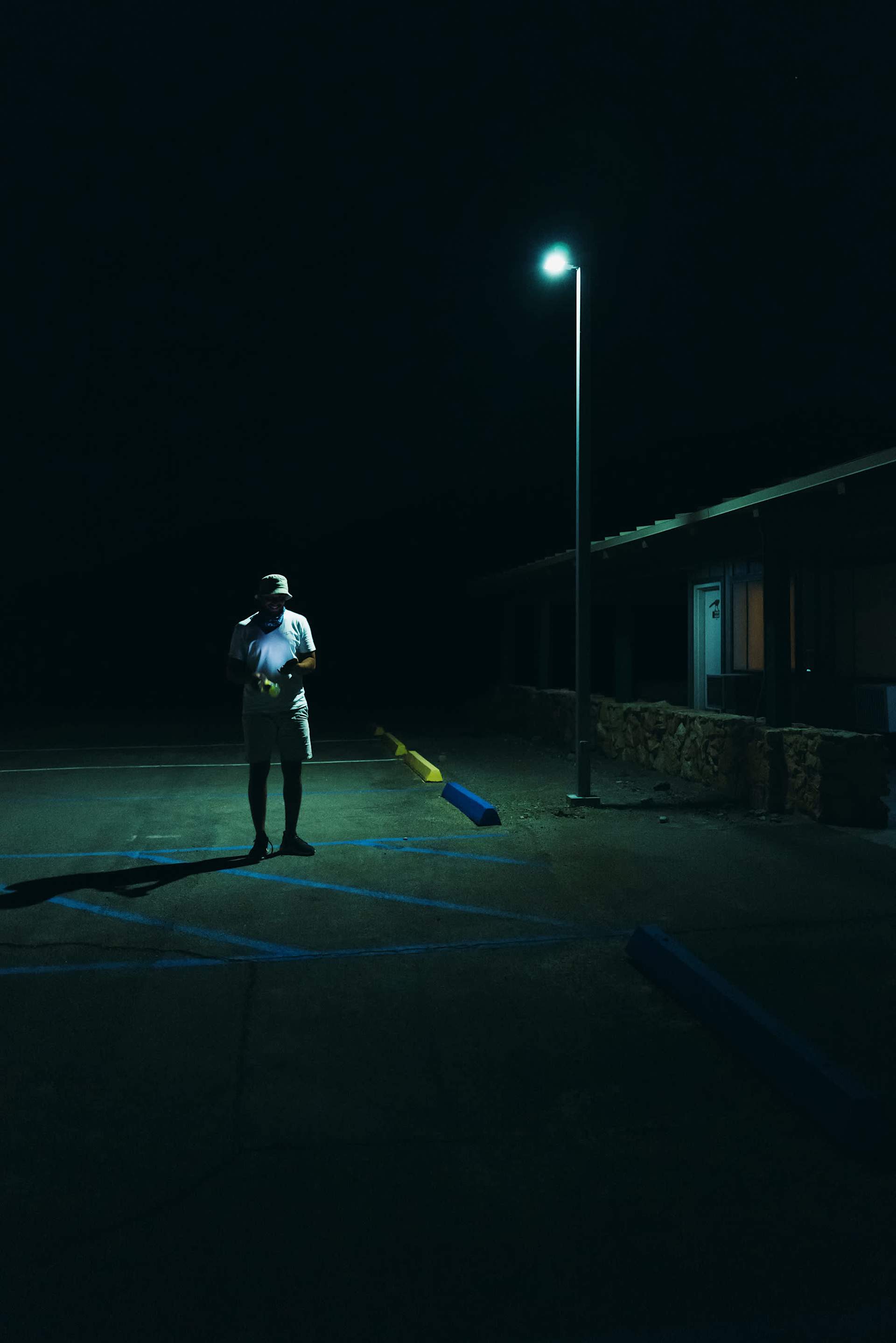
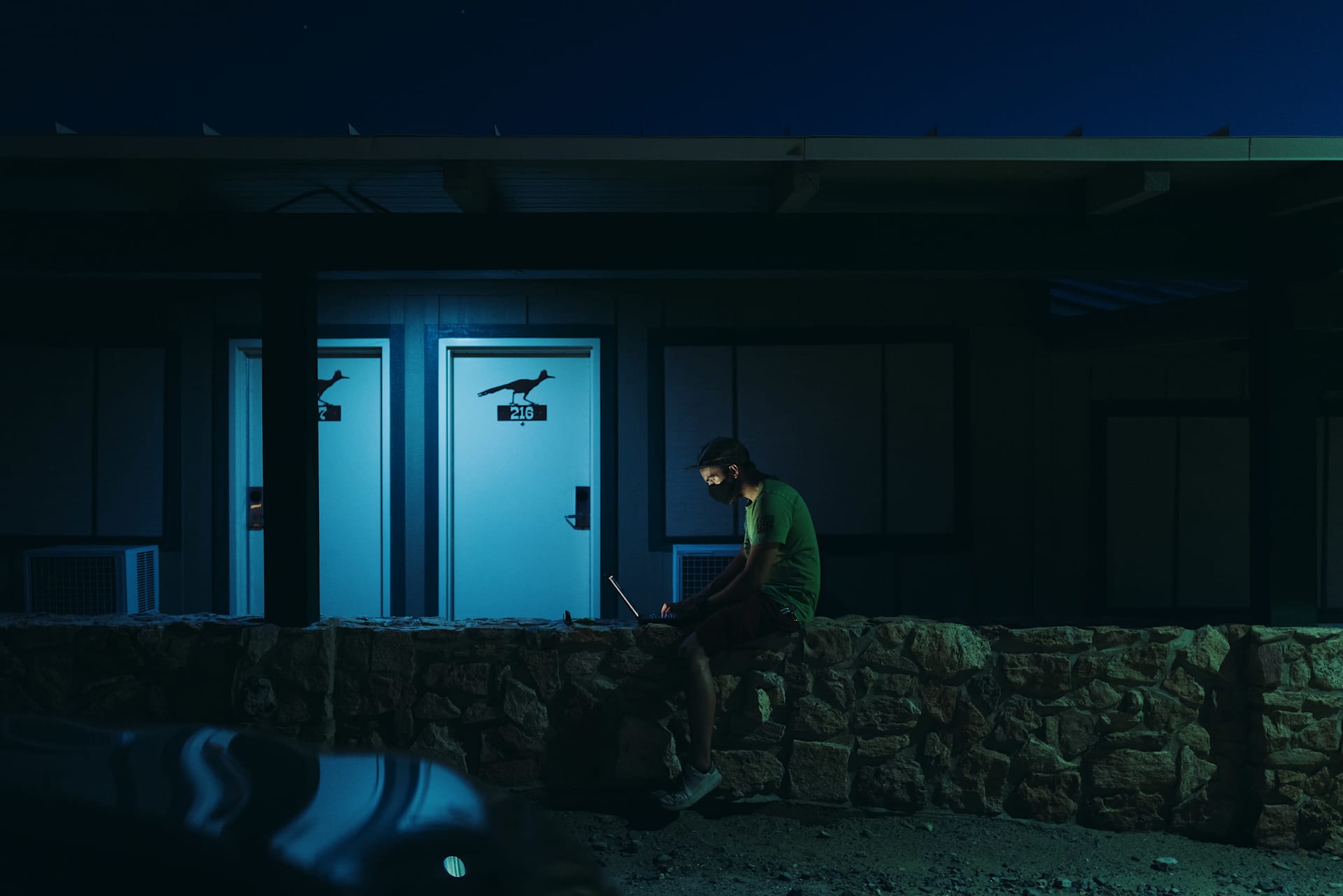
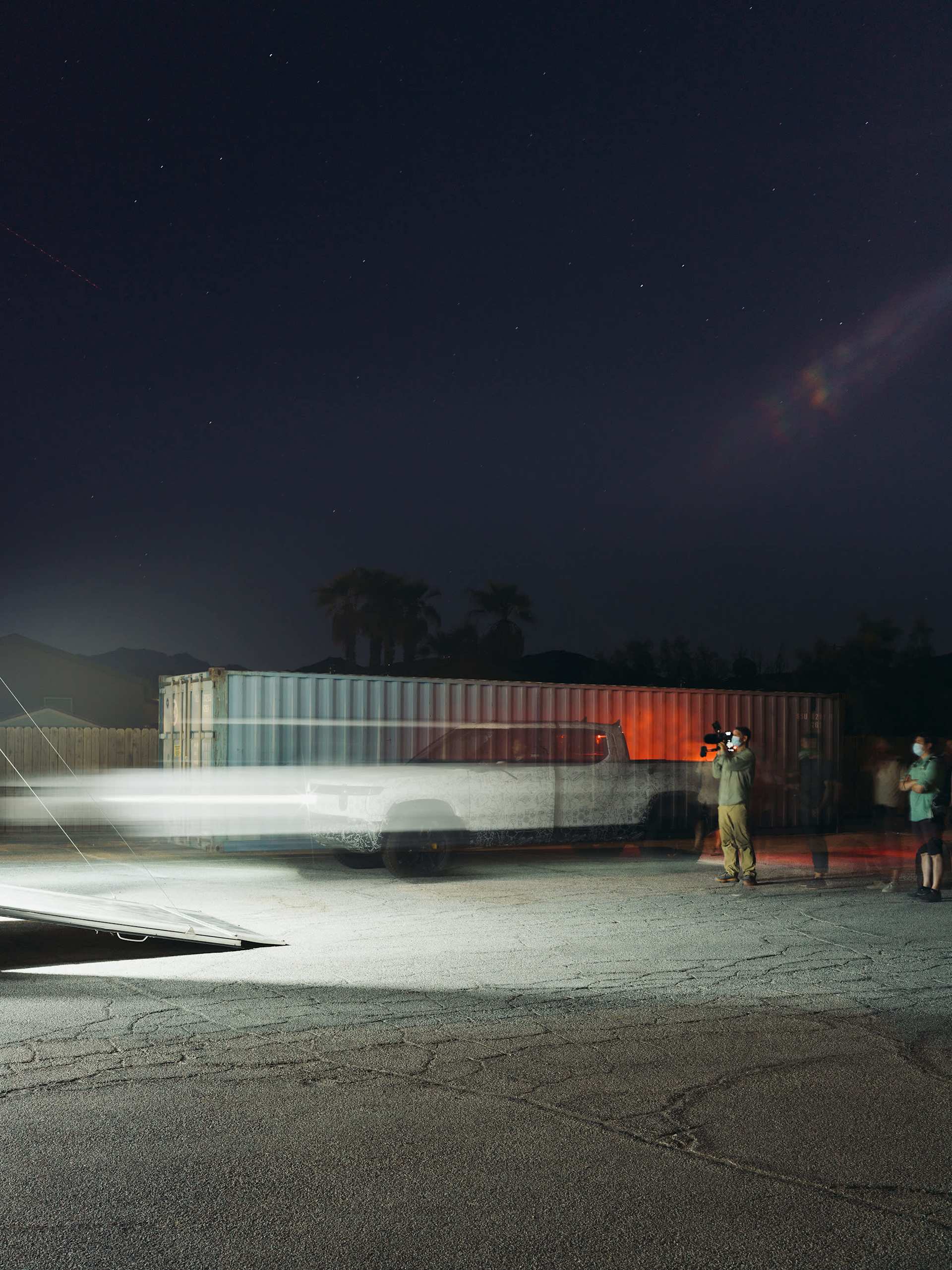
Night fell on Mount Charleston as the team loaded up for the drive into Death Valley.
Death Valley

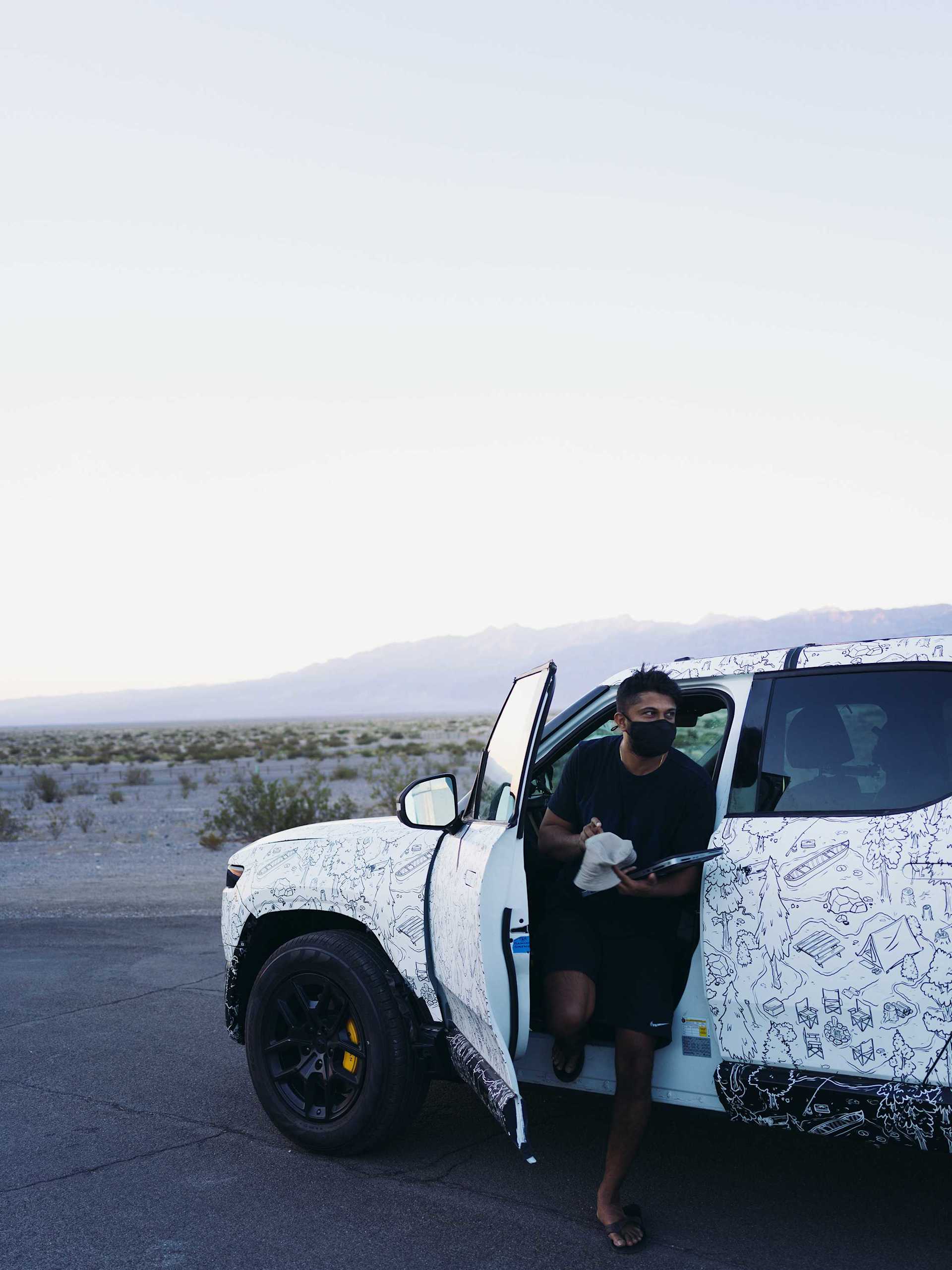
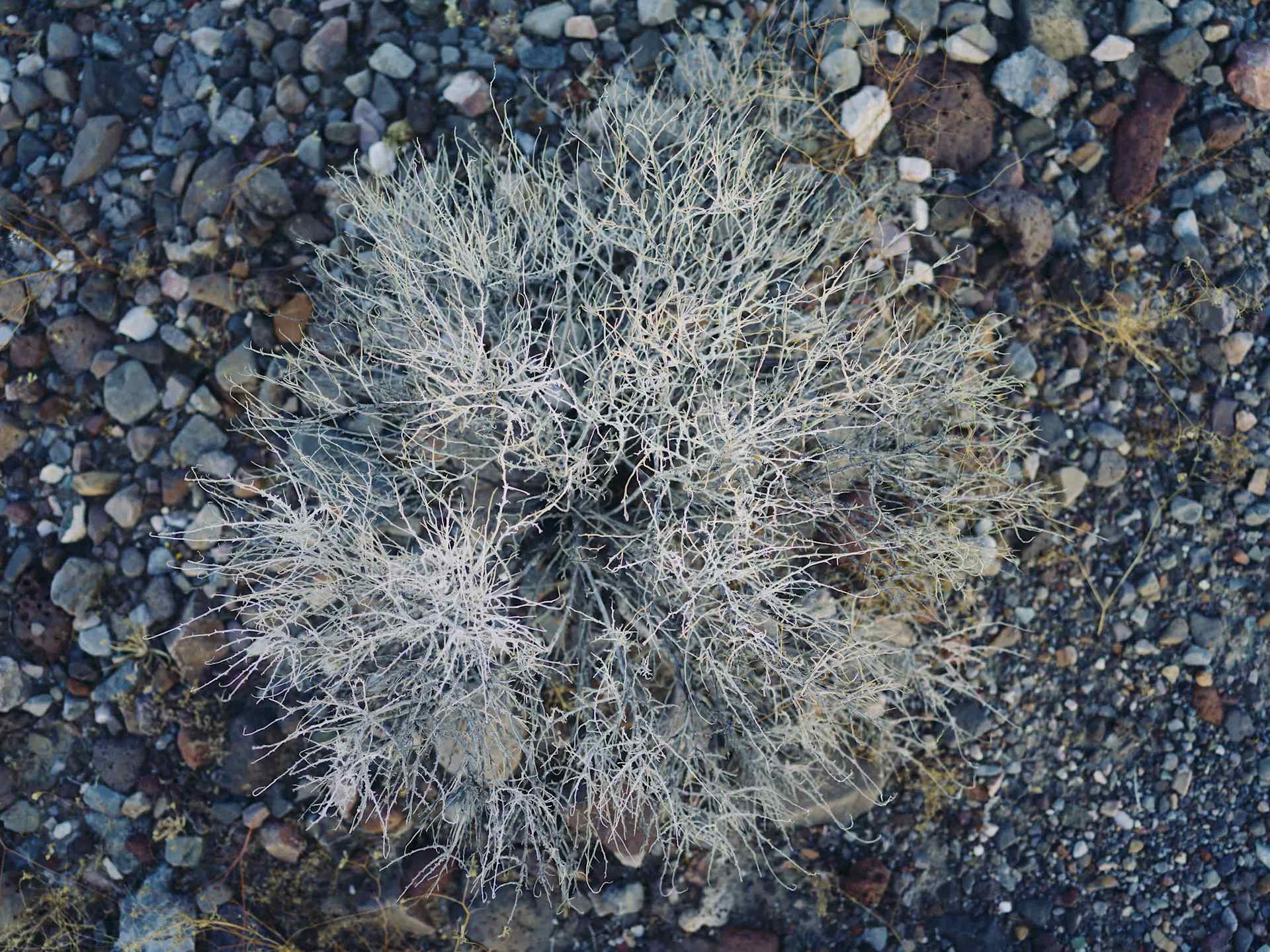
Death Valley National Park needs no introduction, and naturally the team's work there was designed to push the limits of the R1T towing capacity to the extreme.
If Davis Dam was about hitting the standard and Mount Charleston was about pushing the envelope, then Death Valley would be about survival. As Mike, Development Engineer, explained:
"Absolutely worst-case thermal. Worst-case grade. So you’re just looking to make it up the hill, essentially."

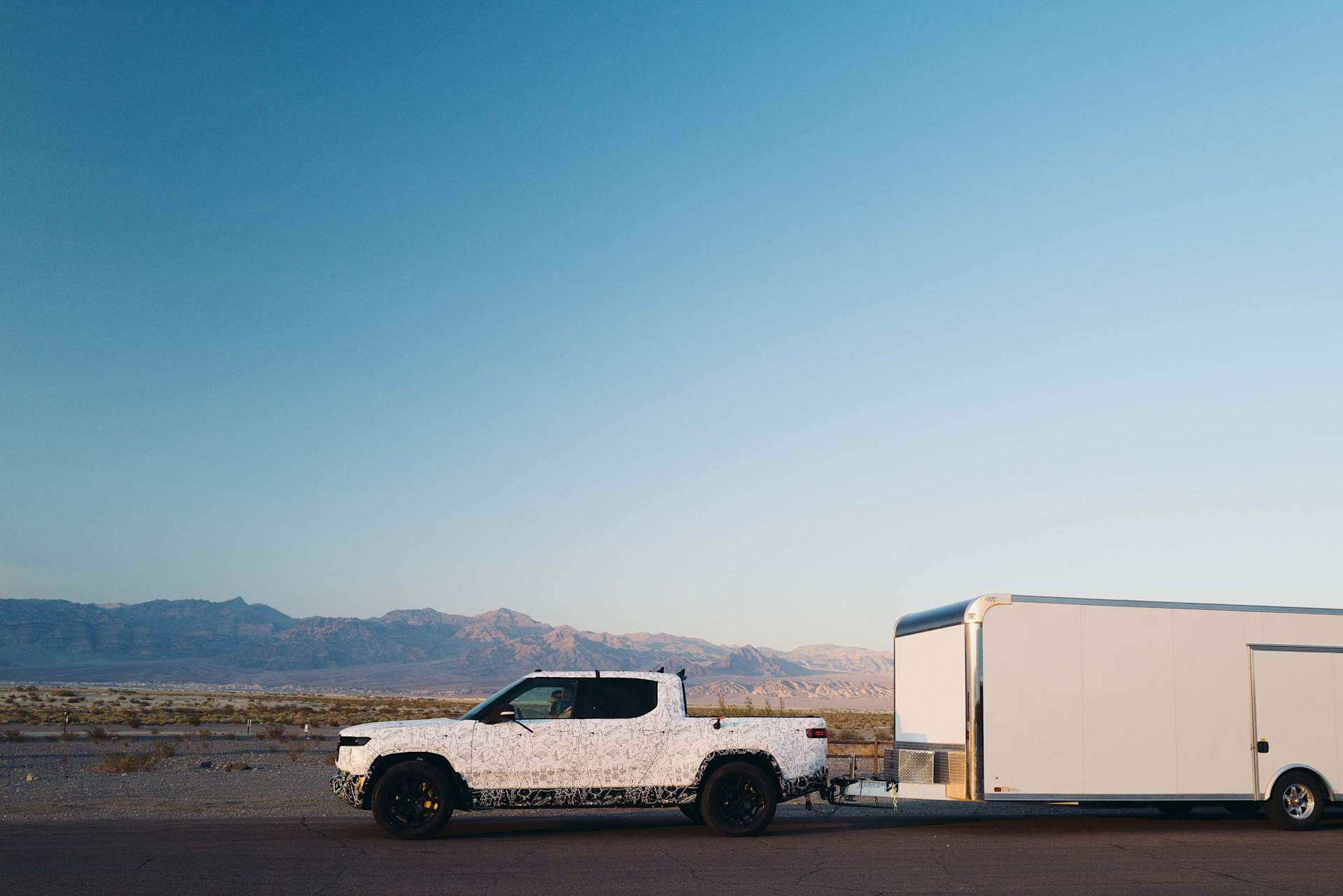
The test was run by Test Engineering Lead, Matt, who has a clear knack for logistics and a penchant for Hawaiian shirts. Despite near-record heat, the R1T easily handled a winding climb from Stovepipe Wells, at an elevation just above sea level, to Towne Pass at 4,956 feet above sea level – with grades as steep as 9.6%. During our descent on the backside of the hill, we observe battery range increasing as the R1T recaptures energy from regenerative braking downhill.
"When we reached Towne Pass successfully, that felt solid. It was such a corner case, outside the usual places people might go while towing. There are signs at the base of the route warning drivers not to overheat and to turn off A/C. If I'm able to make it there, I have good confidence in the system."
Sushant Lead Validation Engineer/Thermal Systems Validation

"The challenge with benchmarking range in a towing context is that we are setting the benchmark. Nobody has released an EV that can tow anywhere near the weight that the R1T can tow. Range will always vary depending on your load and external conditions, such as wind and grade. We generally see about a 50% reduction in range when towing at full capacity."
Aaron Attributes and Performance Vehicle Line Manager
Dumont Dunes
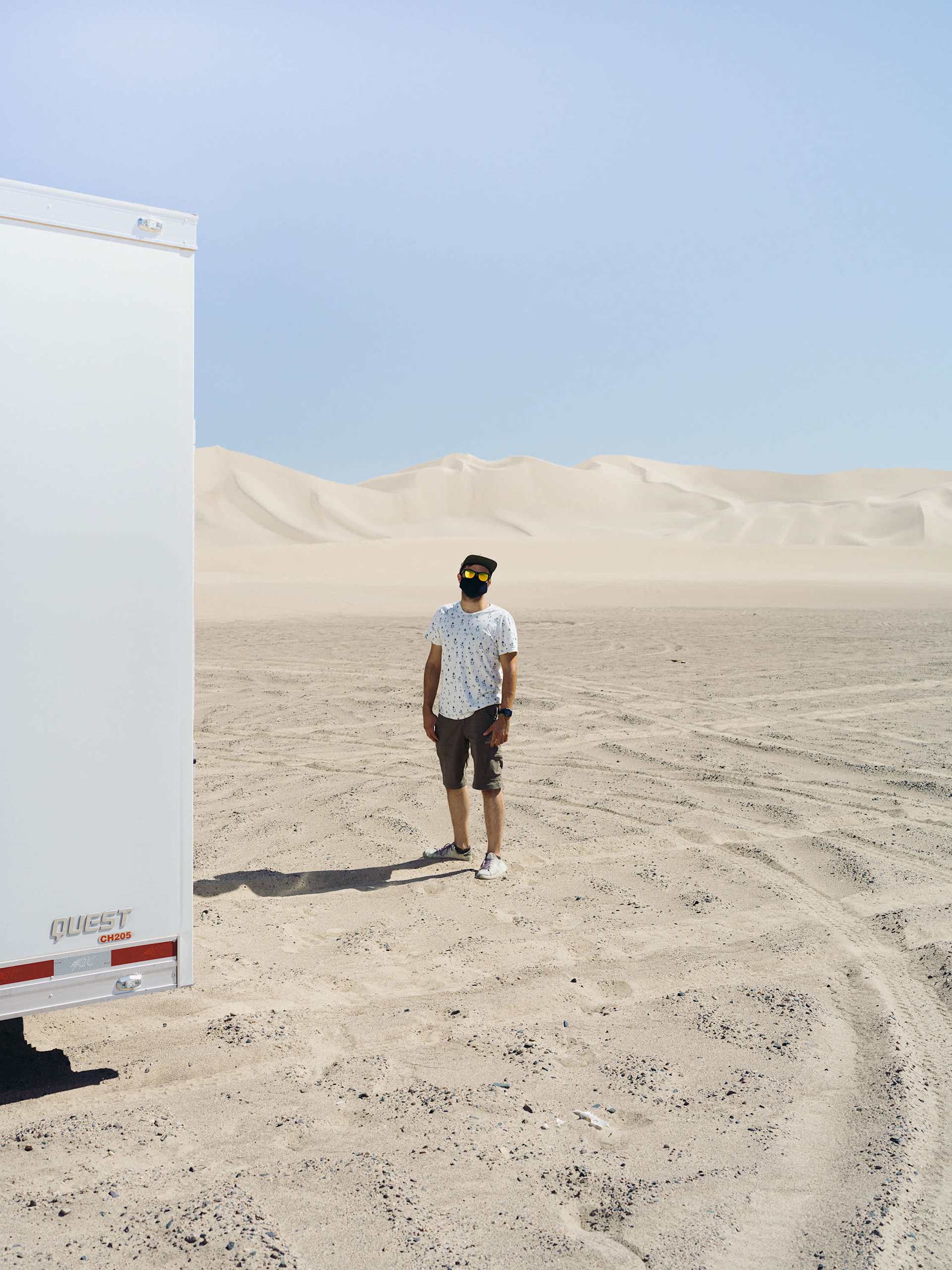

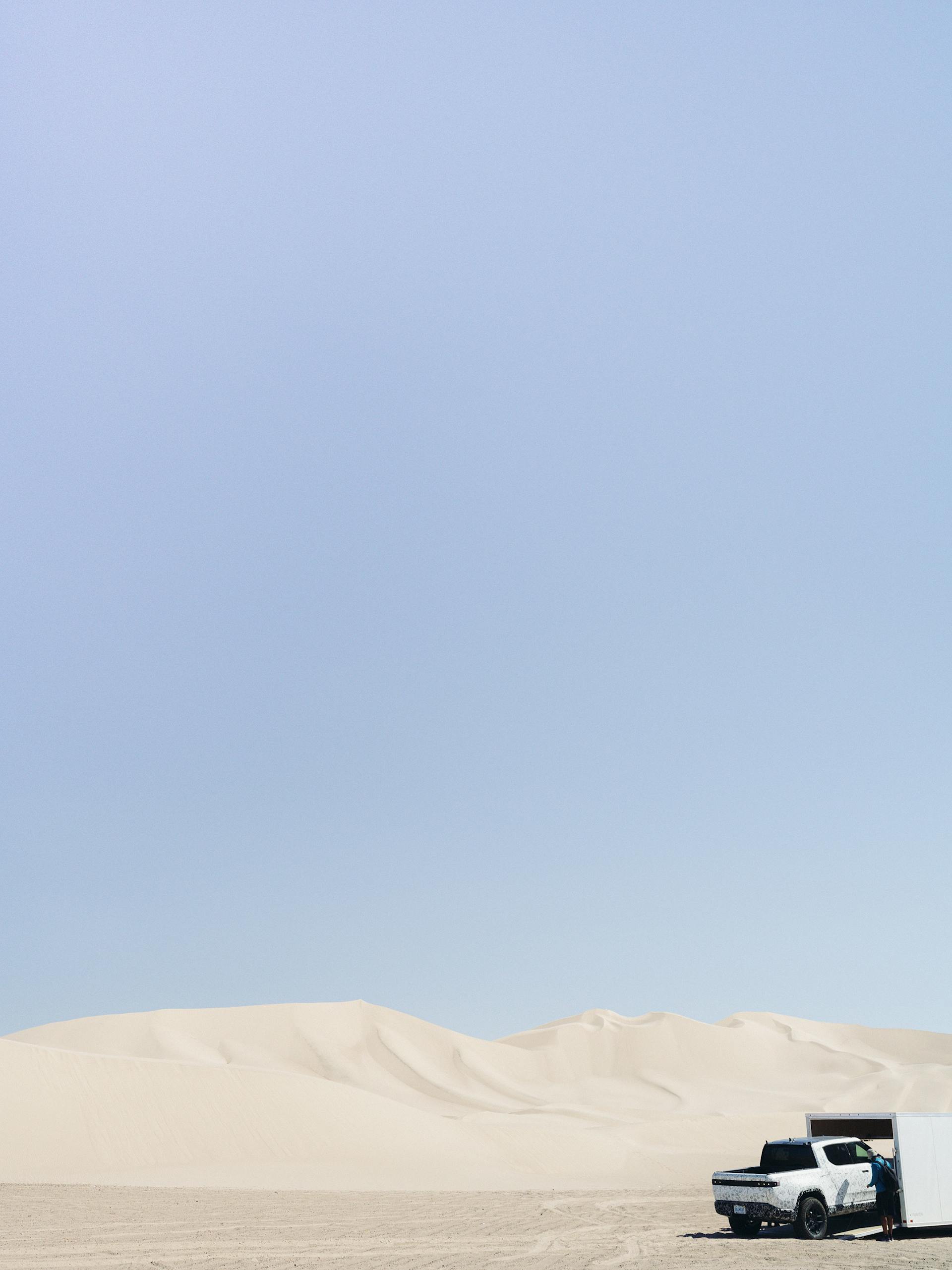
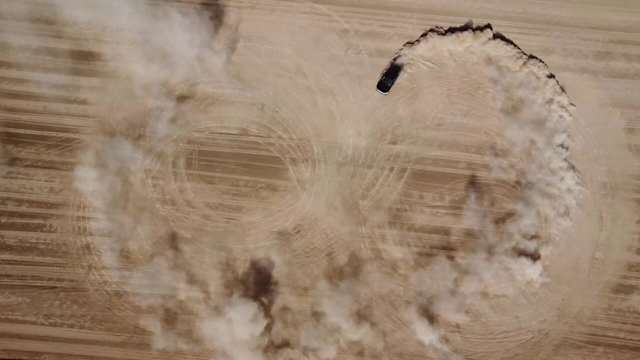
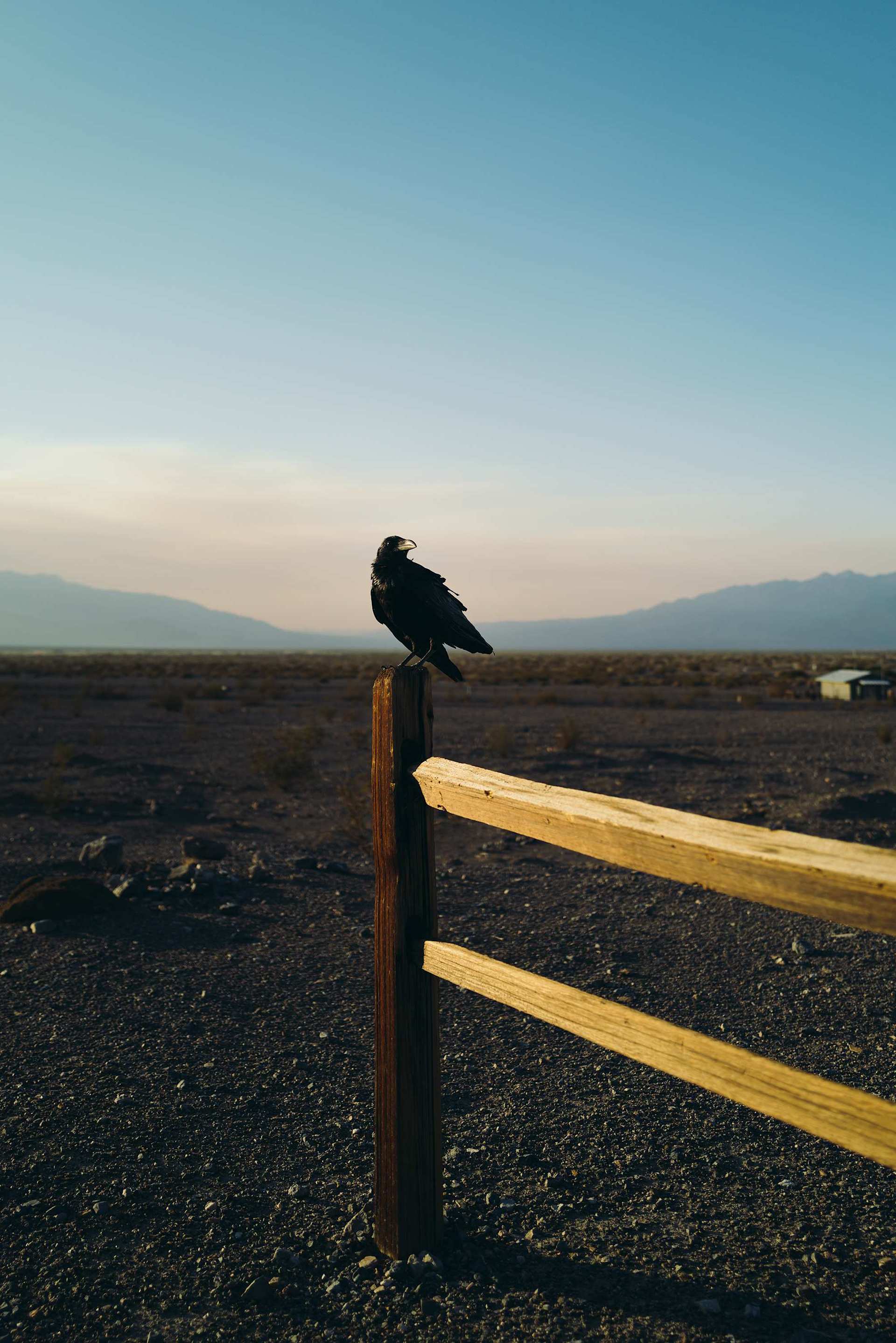
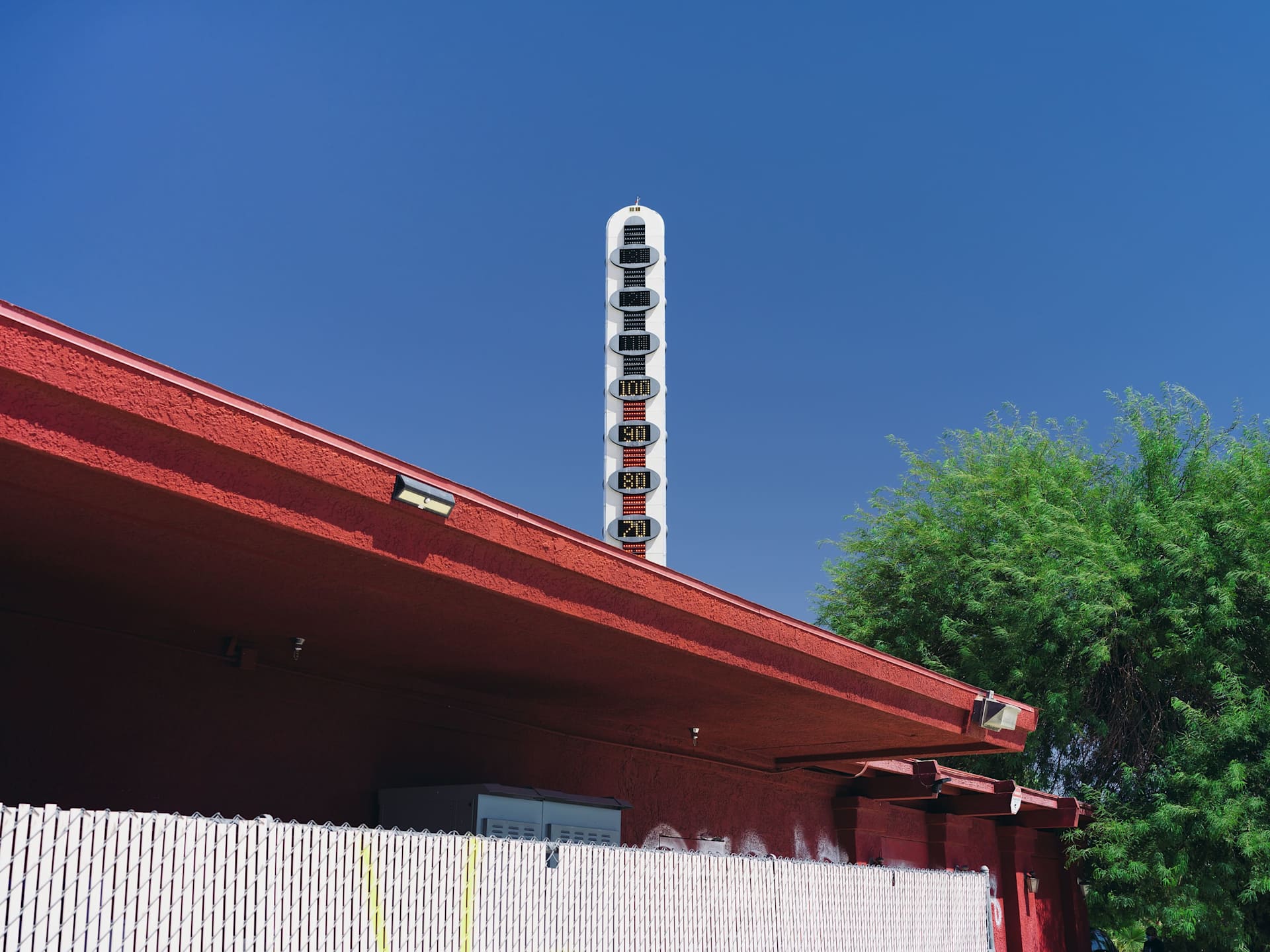
After fast charging in Baker, California beneath the world's tallest thermometer, the team made one last stop at Dumont Dunes for a bit of extra credit, and perhaps some fun.
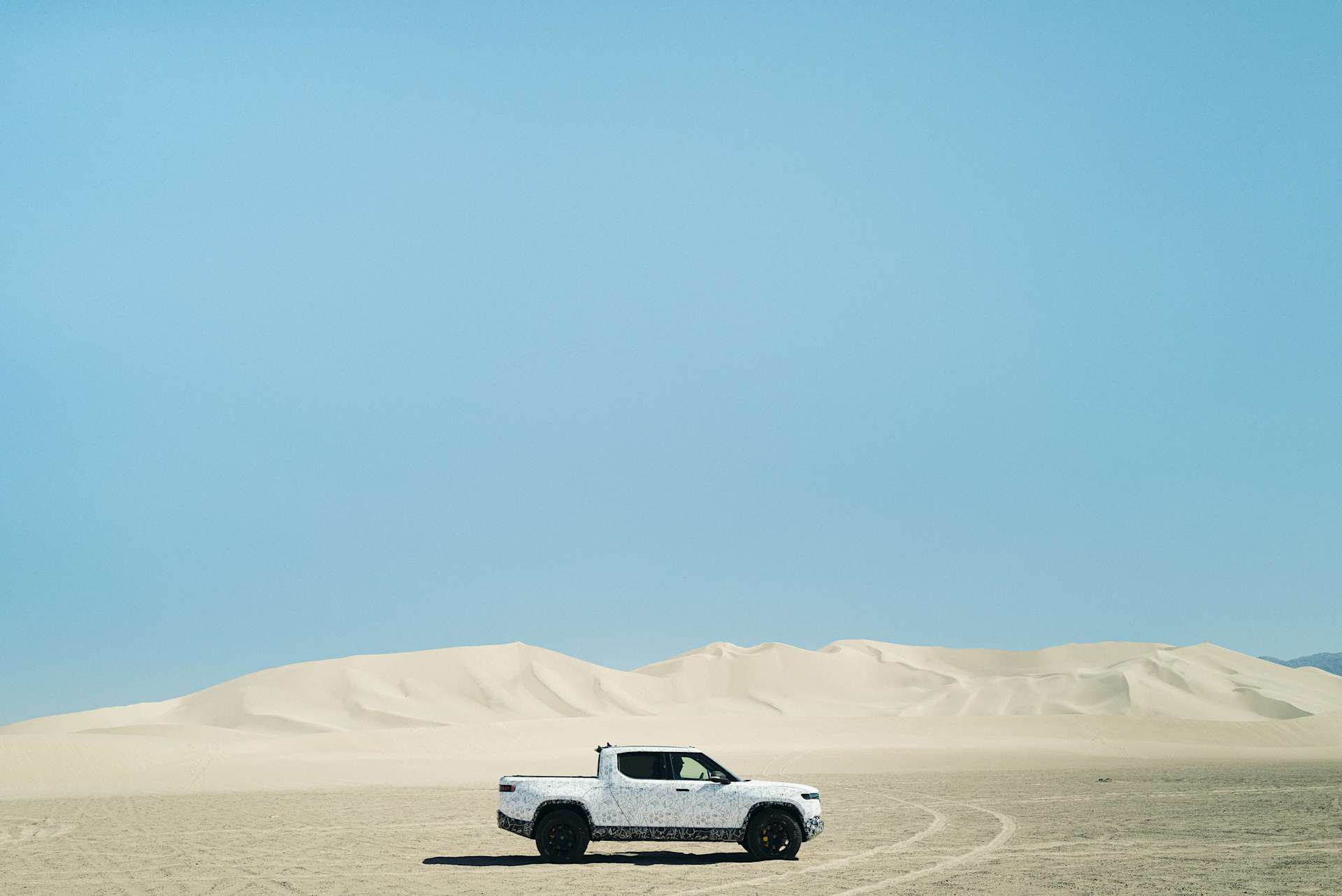
"Dumont Dunes is kind of a quirky add-on for the trip. Can we take off comfortably in sand? Can we tow a trailer in sand? Yes and yes."
Mike Development Engineer



"The R1T met all our targets. We hit our targets and did it without much of an issue. We tested for boundary cases and were able to go further. I really like working in teams like this — a collection of people with the same intrinsic motivation to bring a product to life. All the things that I came to Rivian for are here."
Charlie Power Electronics Systems Engineer
Snapshots aren’t enough. We’d need the whole film of the trip in real time, including the unbearable heat and the music.
Jean Baudrillard, America
Some images shown may contain pre-production vehicles and vehicle specifications mentioned in this blog post may have changed. Please refer to our website or reach out to Customer Service for current vehicle information.