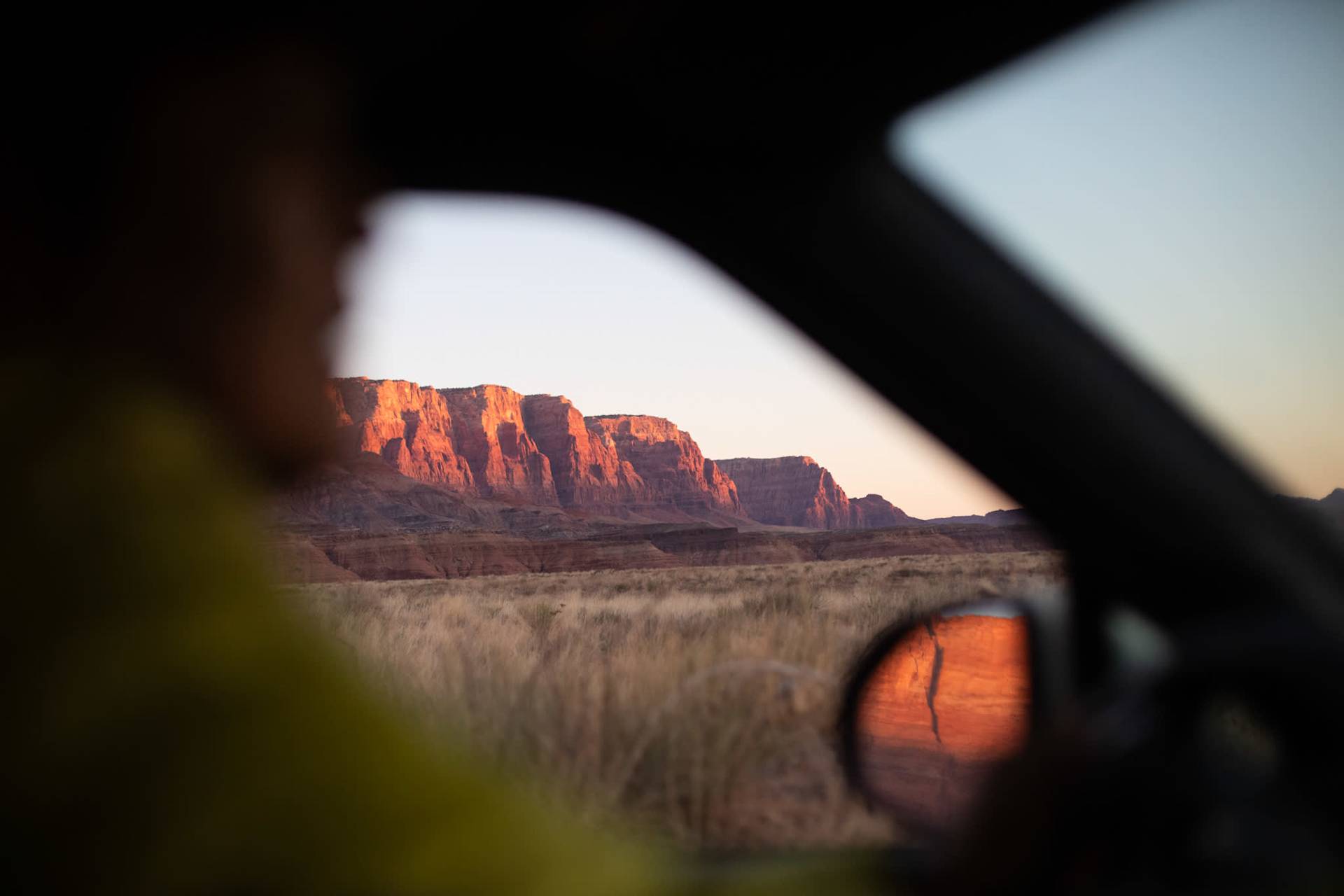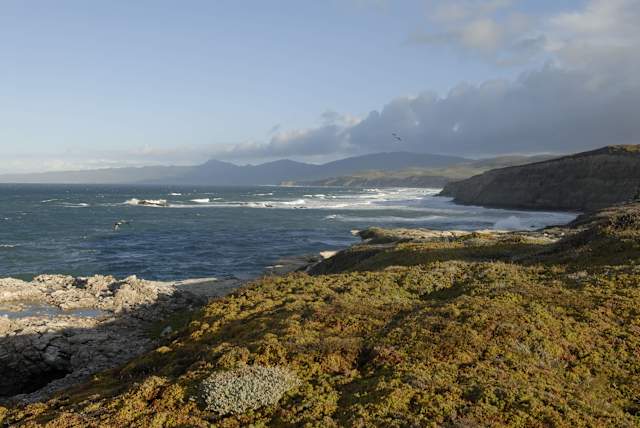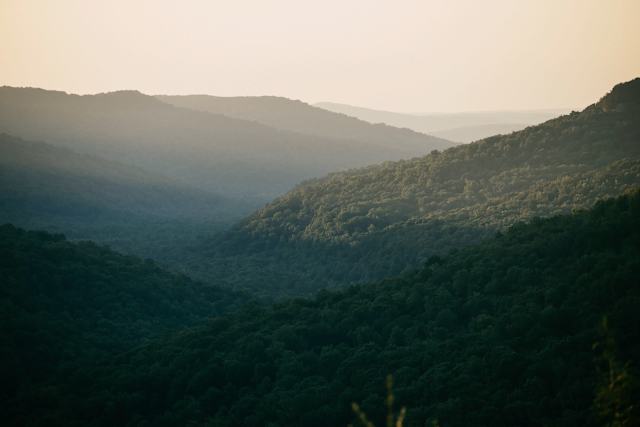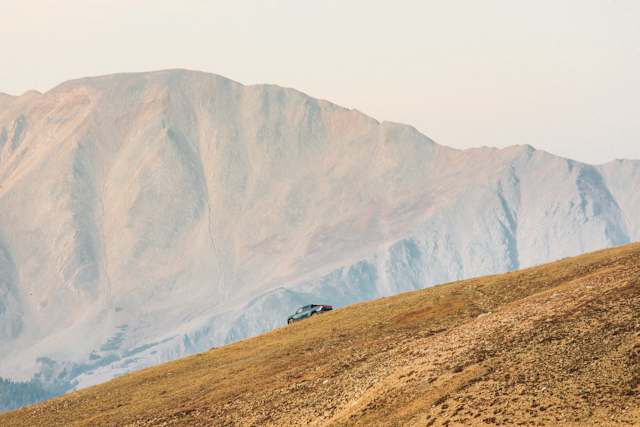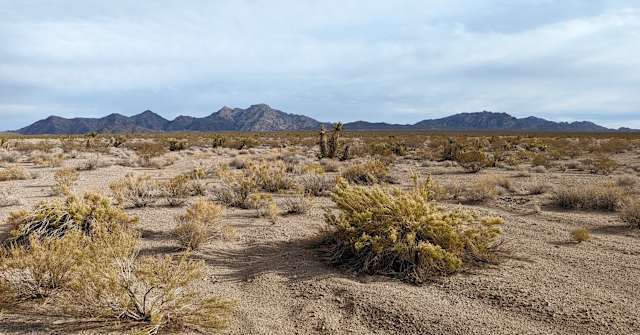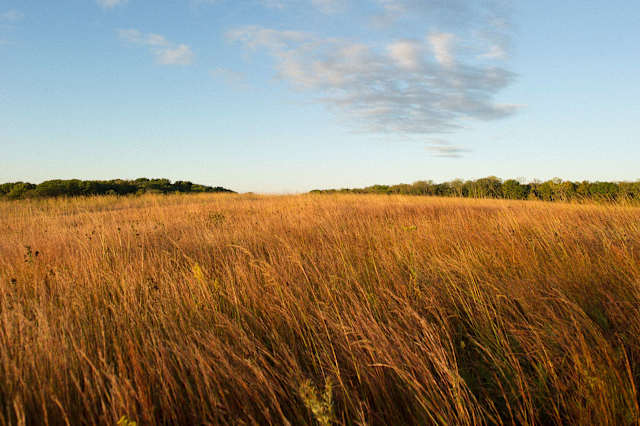
The work to protect America's most special and unique landscapes starts and ends on the ground – up close and personal with the landscape itself, and the immediate communities, businesses, tribes, and local governments with the greatest stake in its future.
Last week, we joined a wide range of friends, including The Conservation Alliance, Flickr and Nuestra Tierra on the week-long Mobilizing for Monuments road trip across the beautiful, wild American Southwest.
Read more about Mobilizing for Monuments hereOpens in new tab.
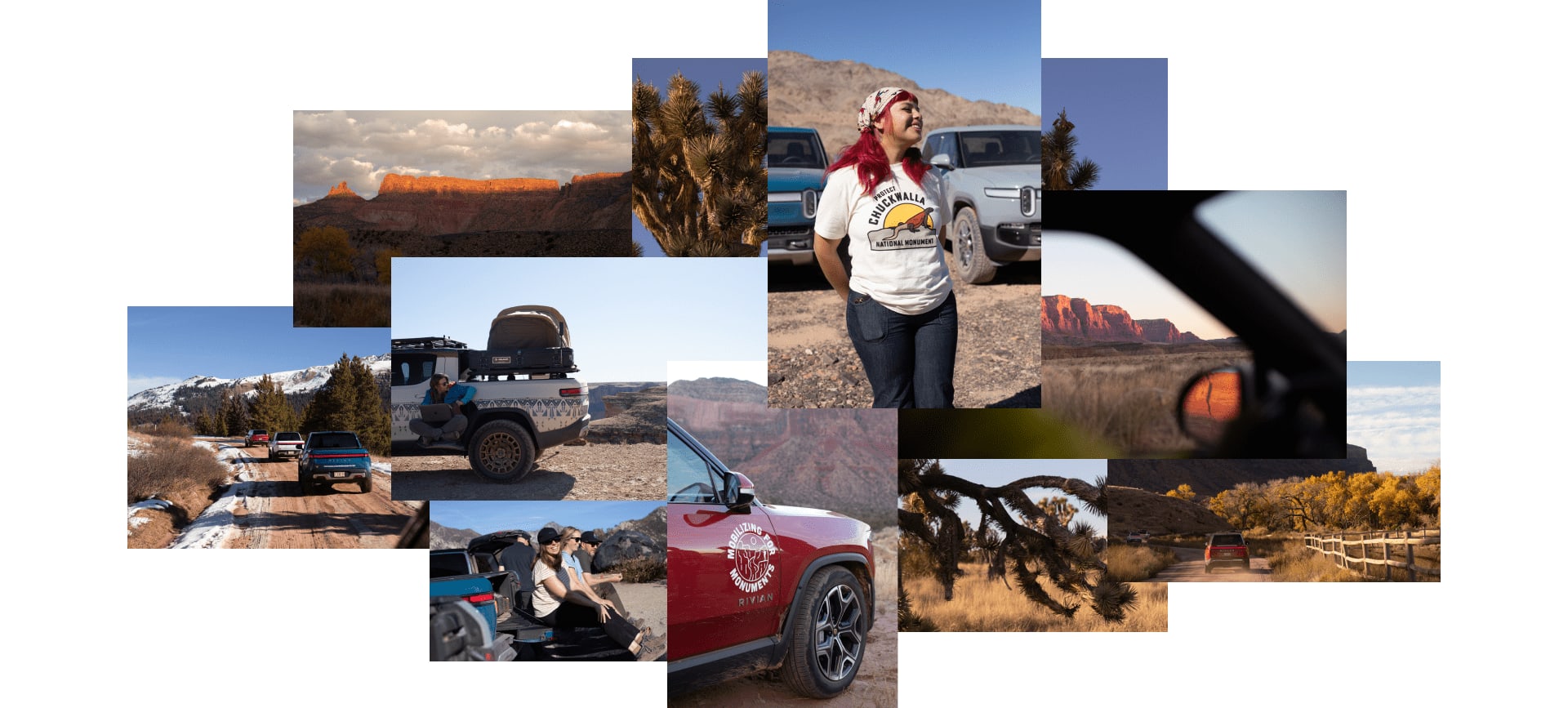
The road trip crossed five areas between Denver and Los Angeles that were either recently designated as National Monuments or are proposed for designation. At every stop we saw the significance of our public lands and waters and the importance of protecting these outdoor spaces — forever and for everyone.
“If these beautiful landscapes are not adequately protected they face a litany of threats. We want to keep these outdoor spaces healthy for generations to come.”
Rebecca Gillis The Conservation Alliance, Director of Advocacy and Outreach

Mobilizing for Monuments Route
In addition to the 1.4 million acres recently protected, other proposed designations would bring the total to nearly 2.7 million acres.
Dolores River Canyon National Monument, CO - not yet designated
Baaj Nwaav I'tah Kukveni - Ancestral Footprints of the Grand Canyon National Monument, AZ - recently designated
Avi Kwa Ame National Monument, NV - recently designated
Chuckwalla National Monument, CA - not yet designated
San Gabriel Mountains National Monument, CA - expansion of existing monument


“All of these landscapes are individually amazing and worth protecting. As a protected, collective whole, these lands could dramatically scale conservation work over the next year.”
The significance of National Monuments
National Monuments are one of the best tools for land conservation in the U.S. Elevating protection does not mean that these lands become inaccessible. Rather, designation means that these areas are protected from extractive activities like mining, drilling and logging, and instead focus on improving opportunities for recreation that support the economies of nearby communities.
What makes a National Monument designation unique is that it can be applied to a broad definition of land and water. Cultural, historic or scientific significance are all qualifiers. Public passion for a place that's special to the community is the starting point for initiating the process of a National Monument designation. That means you or your neighbor could advocate for the conservation of the lands that make your favorite adventures possible.
Learn more about National Monuments and how to get involved hereOpens in new tab.
“It’s all about creating a collective narrative and a collective sense of action that we can all push forward together. Knowing your stories and the reasons why you take your families out into these big public lands and waters, and sharing that with as many people as possible.”
Ángel Peña Nuestra Tierra Conservation Project, Executive Director

Community voices drive the designation of new National Monuments. At every stop along the Mobilizing for Monuments road trip, we connected with local organizations, businesses, tribal members, families and R1 owners to discuss what action can be taken to protect the wild places that are the backyards of these communities.
“My connection to our Public Lands started from getting a sense of my own cultural wayfinding and how I connect to these places.”
Road-tripping with the R1T and R1S
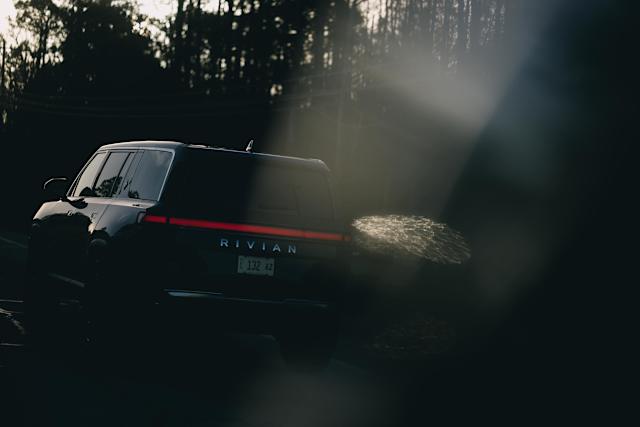
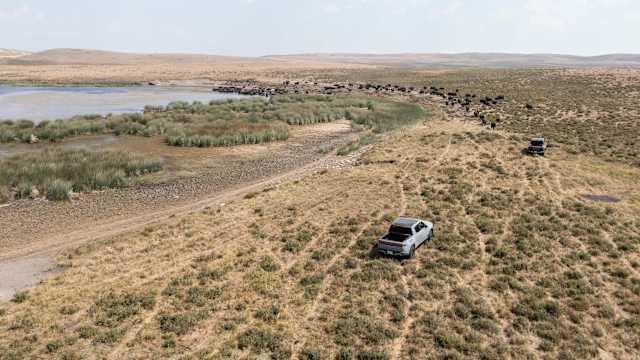
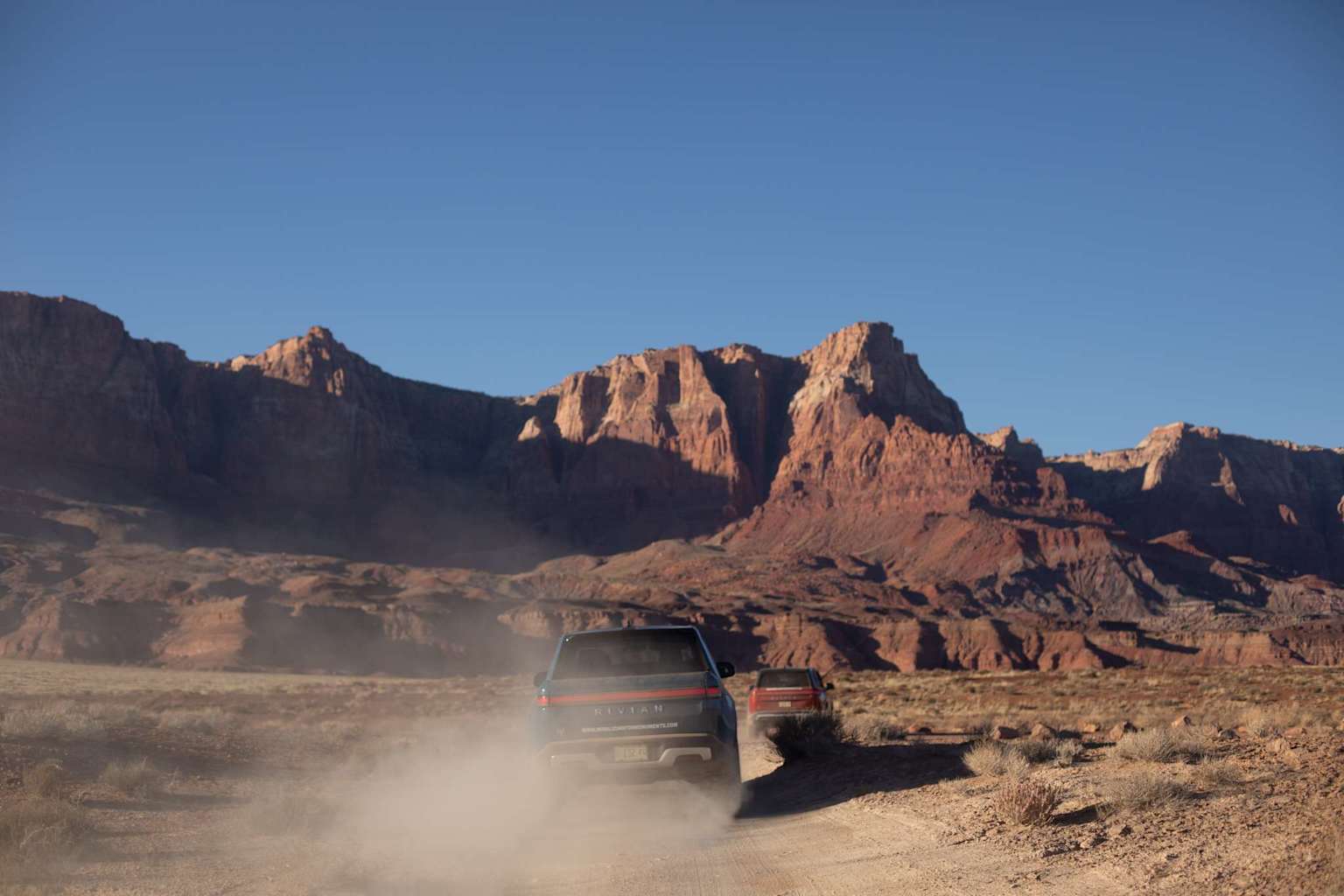
Our vehicles, three R1Ts and one R1S, powered the zero-tailpipe emissions road trip from start to finish — transporting crew and equipment across the breathtaking landscapes along the route. "Mobilizing for Monuments" decals on each vehicle were there to encourage those we passed on the road to get involved.


Reminders from the road
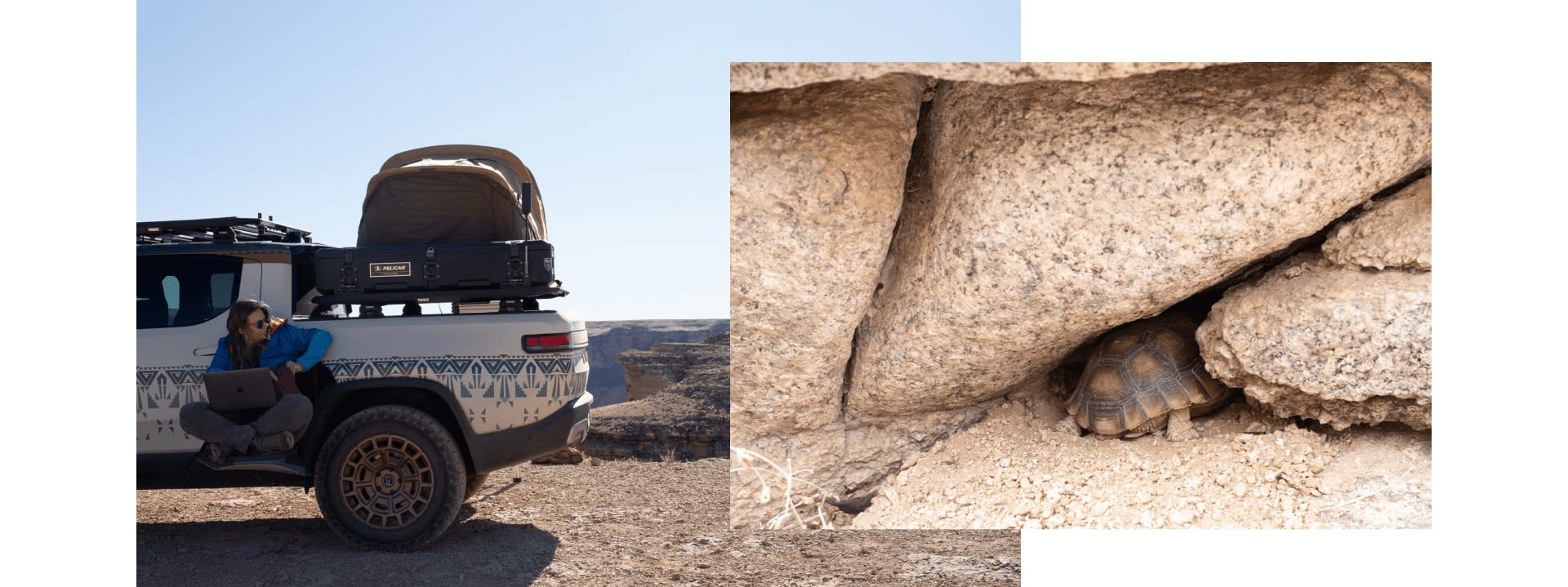
The scent of the creosote bush after it rains, the once-thought extinct California condor soaring through the sky, the threatened desert tortoise digging a path through the sand — these moments remind us of the richness of these landscapes.
“We all rely heavily on access to open spaces to do what we love.”
We recognize all of these lands are the ancestral territories of numerous indigenous communities and contain crucial heritage sites for tribal nations.