Mahmoud ‘Mo’ Mfinanga wasn’t expecting the R1S to draw much attention as he photographed it around the city. New Yorkers have seen it all. They are conditioned to extraordinary things: iconic monuments, honking streets, teeming sidewalks and subways supplying an endless parade of new sights and sounds. It takes a lot to turn heads in the non-stop habitat of New York City.
Mo is from Detroit, where ogling cars, and even washing and detailing them in the street, is a favorite pastime. As a transplant to New York, he’d learned enough about how New Yorkers operate that he figured he would have no problem staying incognito with his borrowed Rivian.
“It was interesting to see how much attention this car brought,” he says. “If my windows were down, people were just trying to talk to me.” They wanted to know specs, pricing, how it compared to what they drove, or tell that someone they knew just got one. In a city known for blaring horns when anything slows it down, he saw how the R1S was creating spontaneous moments of genuine conversation. That came as a surprise.
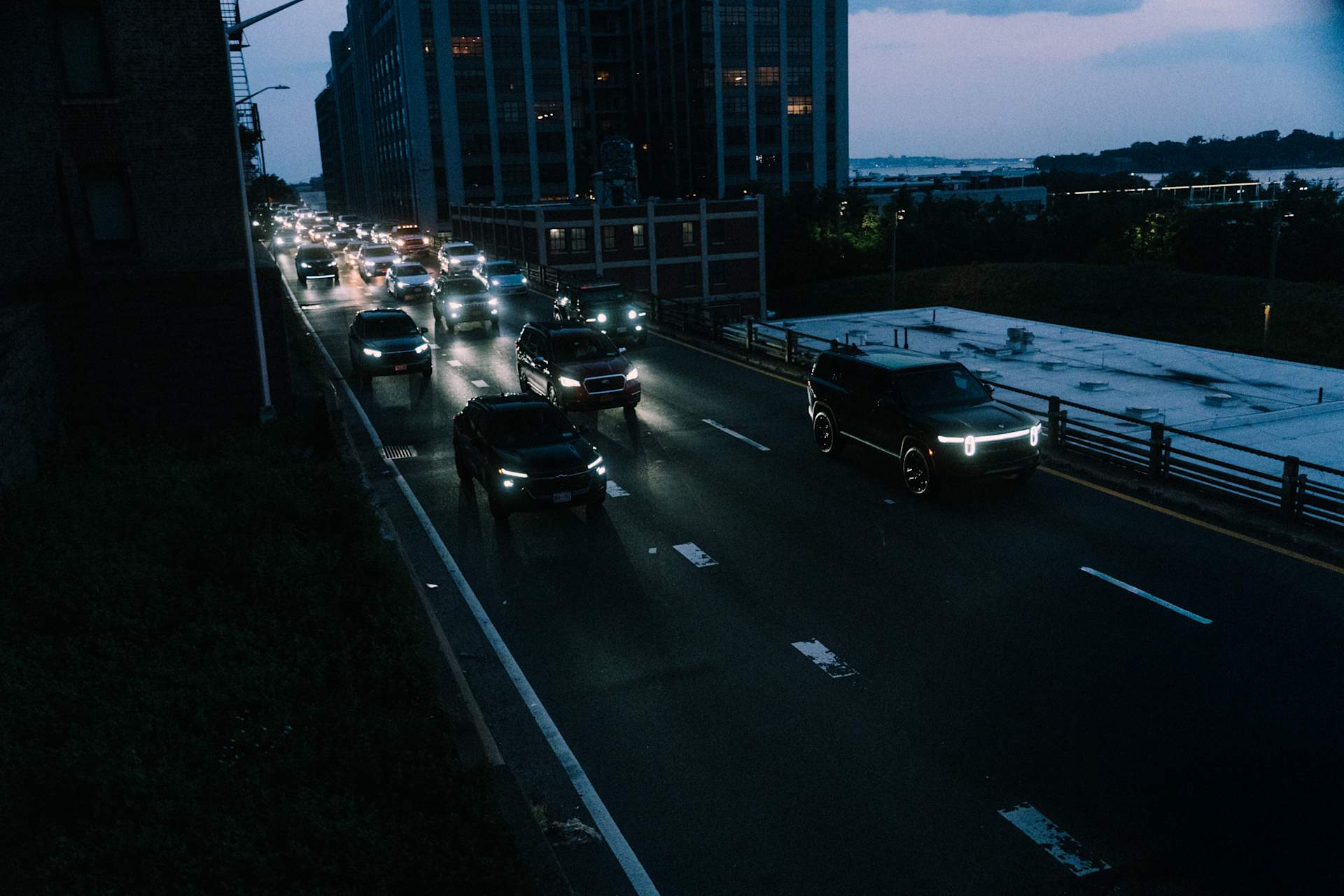
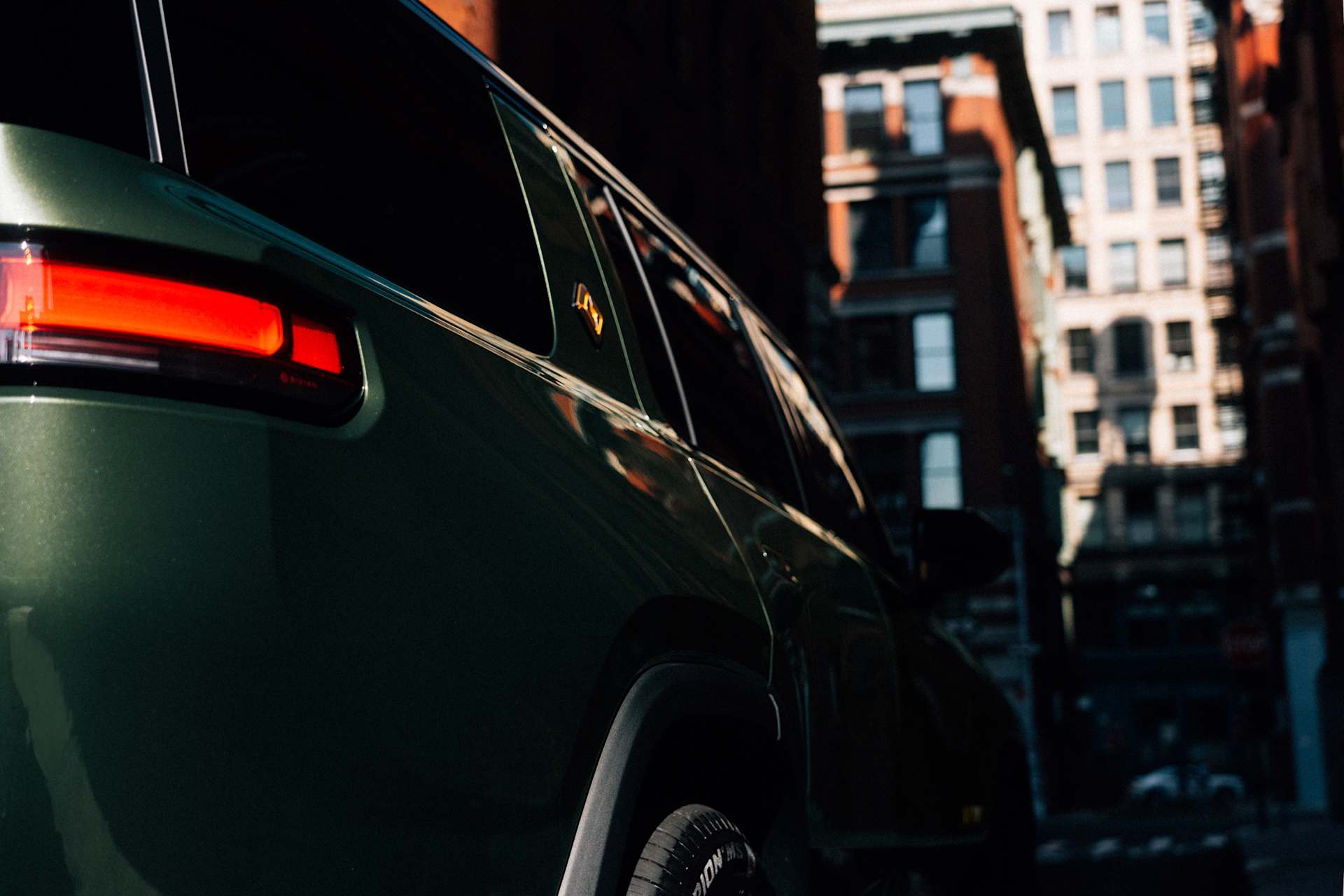
Mo is a seasoned photographer and visual artist specializing in automotive and architectural work. His partnership with Rivian was his first commissioned automotive project in New York, which meant turning his lens on the distinctive relationship between people, cars and the roads they drive. Detroit — “Motor City” — is virtually synonymous with the automobile. New York’s relationship with its cars is different. Finding parking is one thing. Contemplating why you own a car to begin with is another.
“There's a very cinematic quality to New York.”
Mo set out to explore a central question: what does a car mean in New York? Without a clear point of view on that question, it’s all just sheet metal — who cares where you shoot? Certainly there are easier places to do it.
“New York is one of the hardest places to photograph a car,” Mo says. Finding suitable locations, scouting clear frames and chasing the best light in the dark, narrow canyons between skyscrapers is a constant negotiation. “It’s easy to take a beautiful car to Utah or Maine, where you’ve got a desert and mountains — those are cheat codes. But photographing in the city is the opposite of a cheat code.”
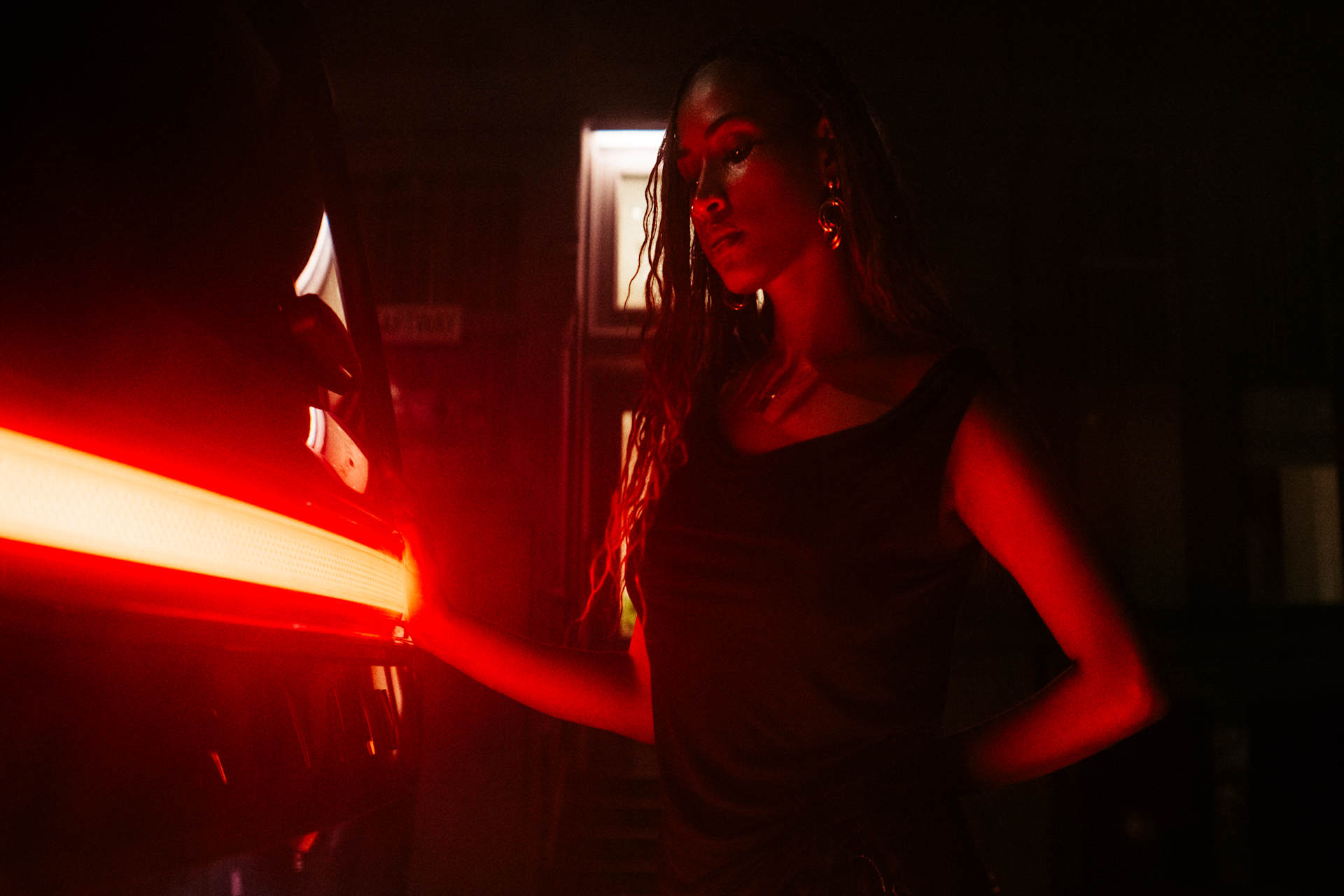
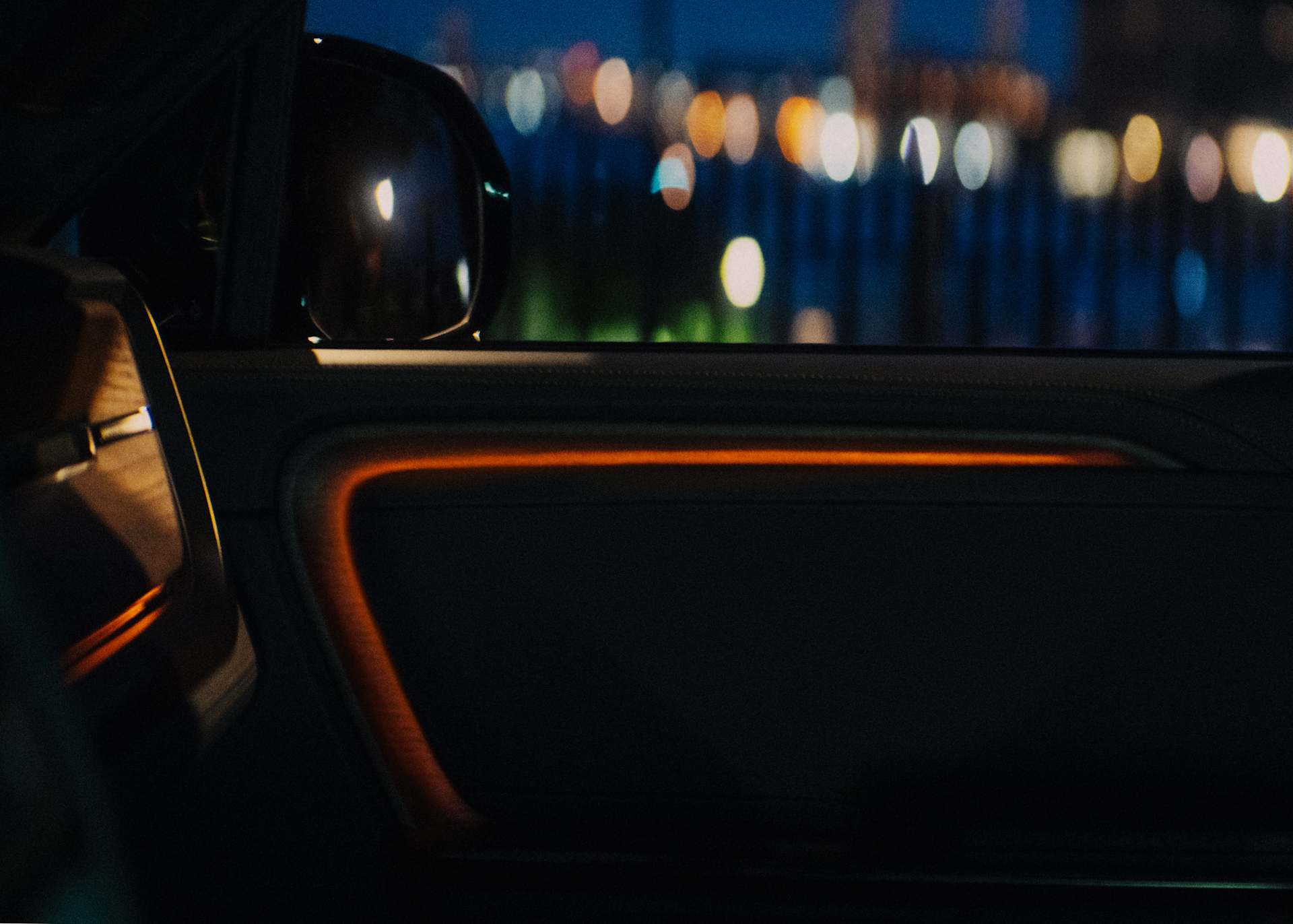
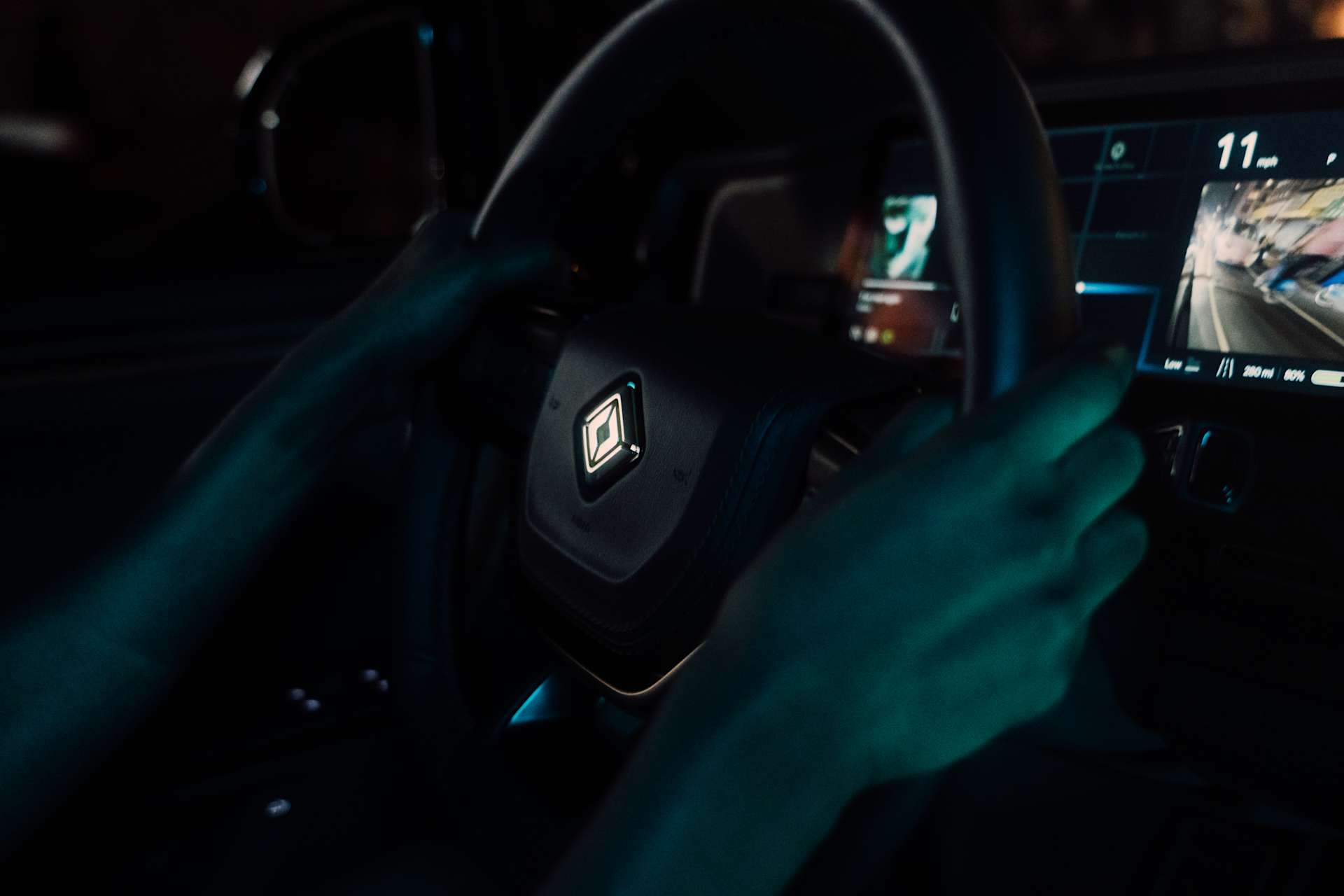
It remains one of the most rewarding places to shoot. There’s almost nowhere else on earth that so comprehensively draws you into its story. The architecture, the lights, the almost ceaseless motion in the streets, the feeling that there is always something happening is what makes New York intoxicating and unforgettable once you experience it. “There's a very cinematic quality to New York. Every day here could be its own movie,” Mo says.
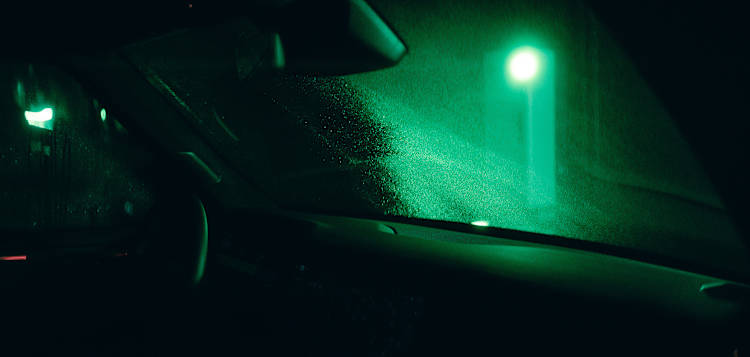
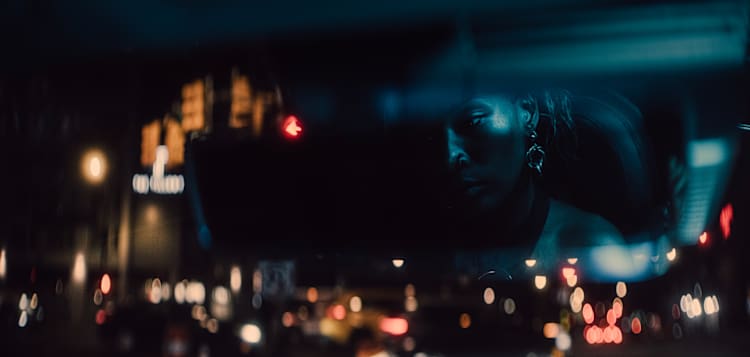
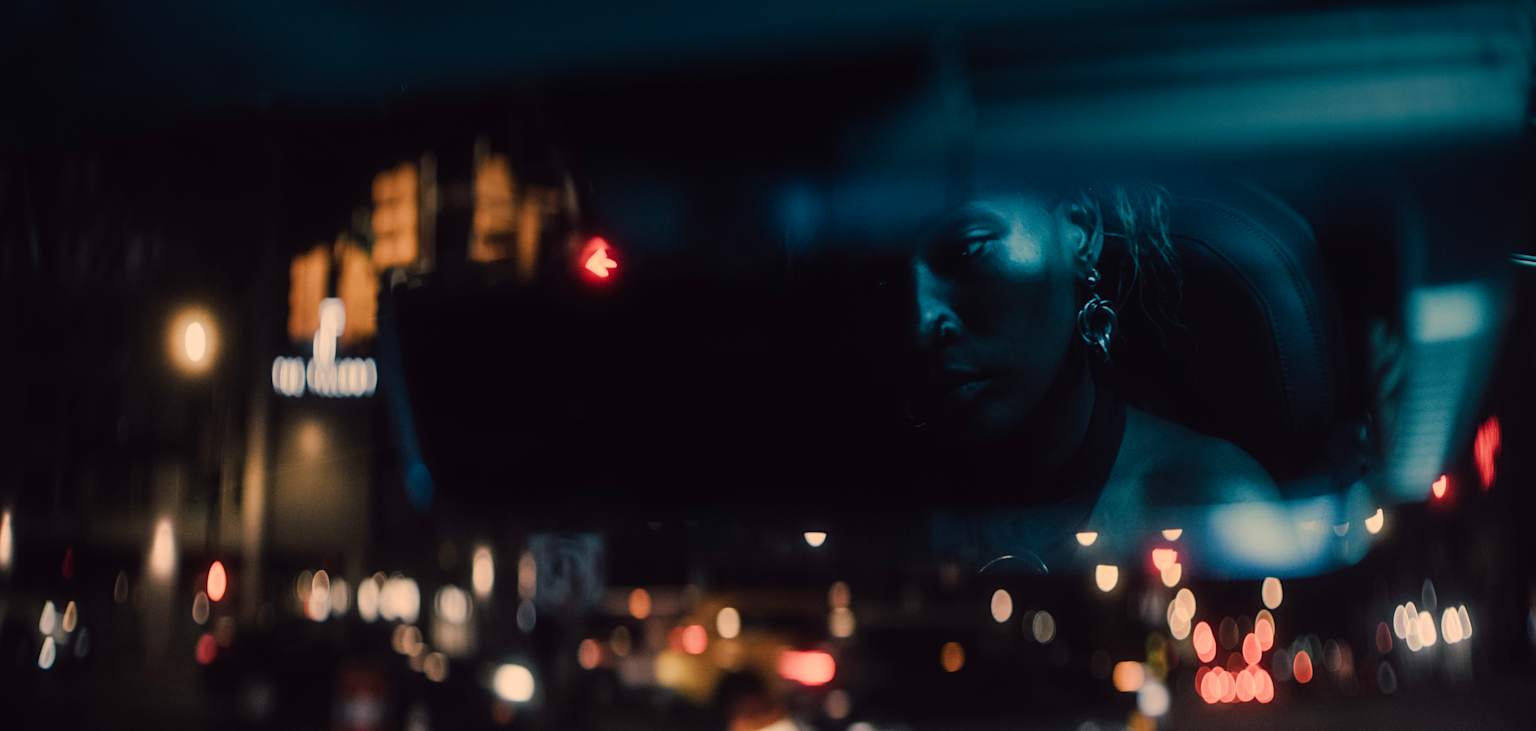
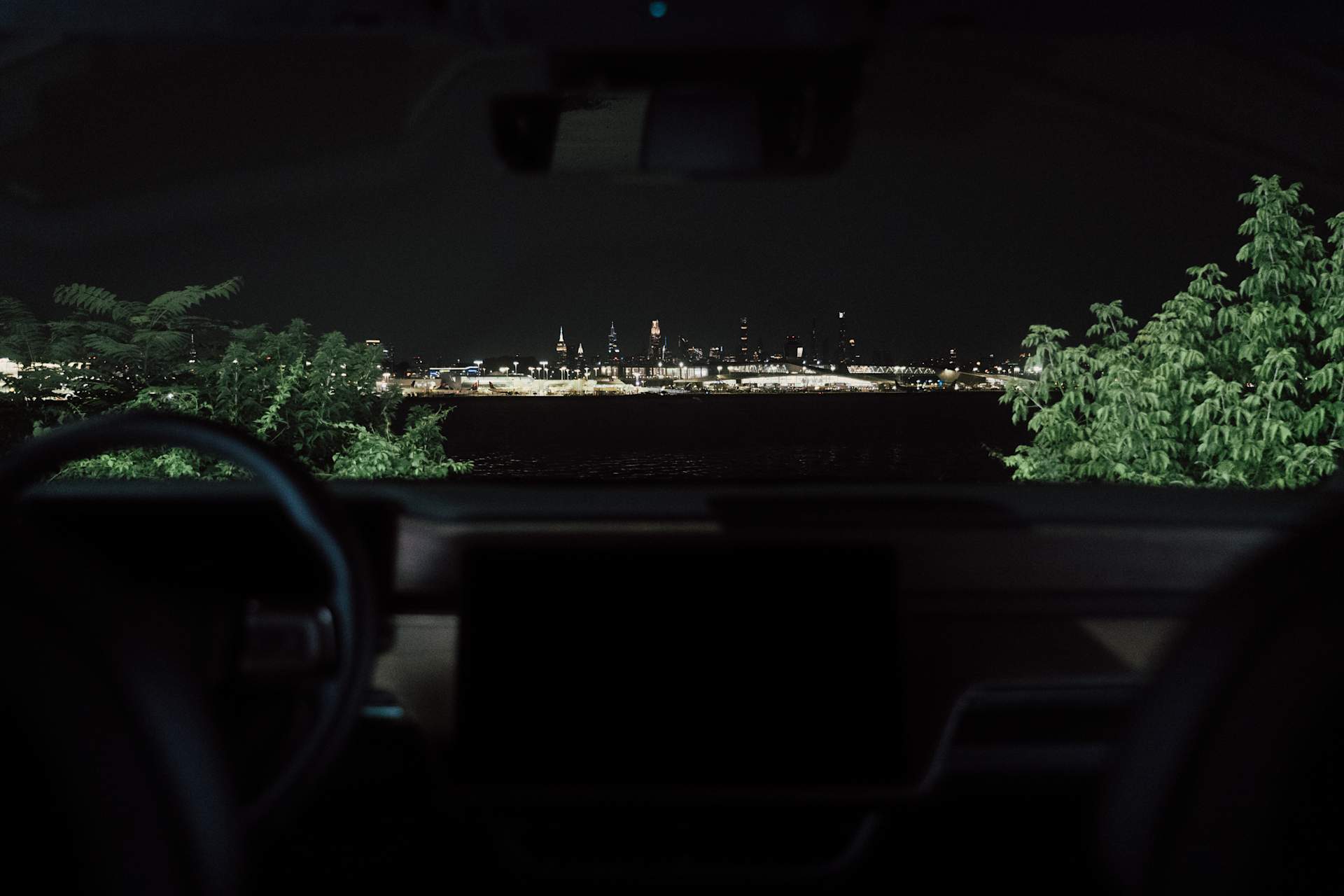
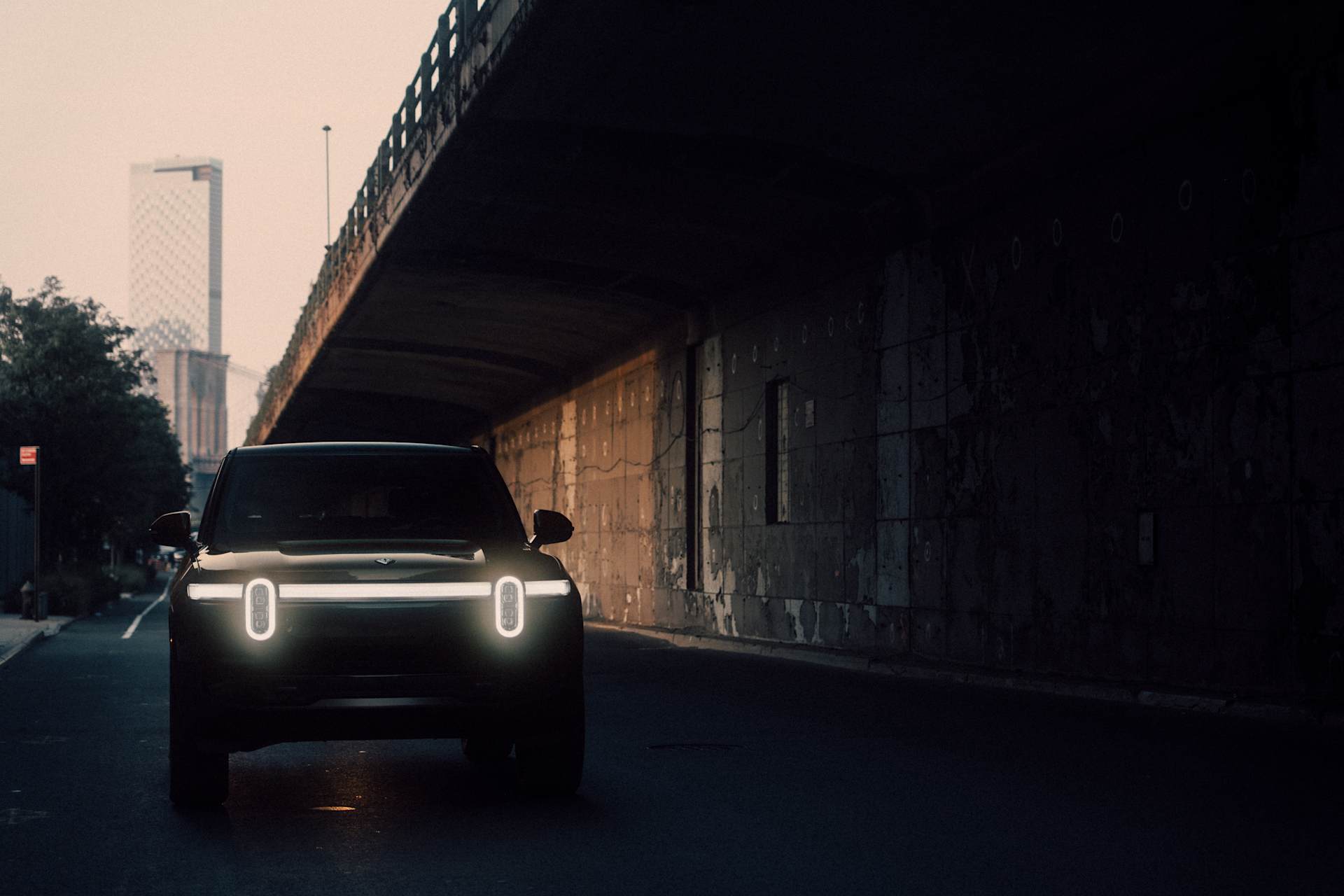
Nightfall provided an antidote to the daytime visual clutter, and Mo embraced it. “At night, the only things you really are looking at are shadows and lights,” he says, instead of the overwhelming density of everything all at once. His strategy of shooting at night simplifies the scenes, so there’s less to look at and more to consider. The city lights twinkle and splash across the surfaces of the vehicle, while the lines, textures and reflections create a sense of depth. Mo describes his usual style as “cold,” but his New York images have a human warmth that he did not at all expect.
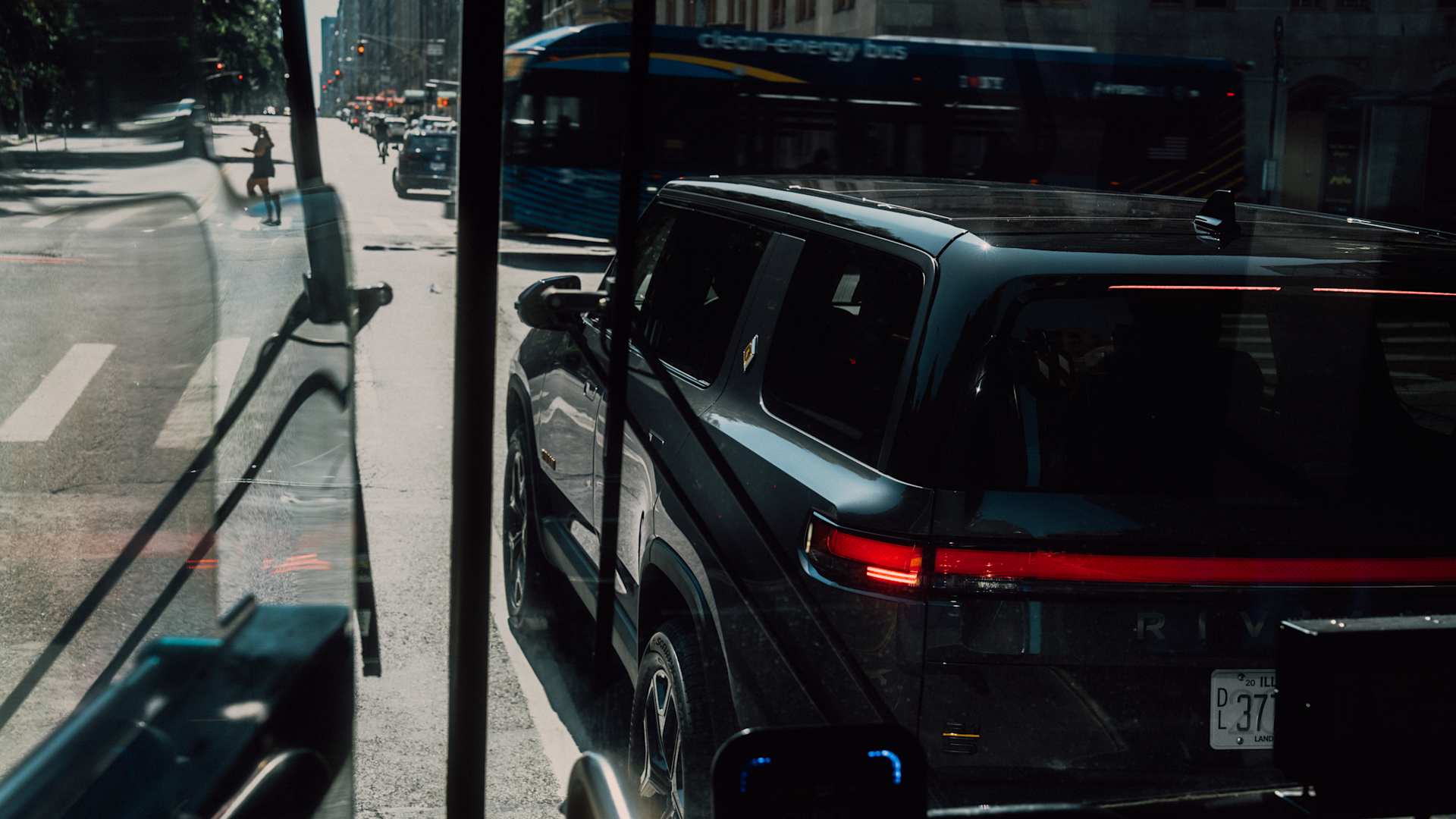
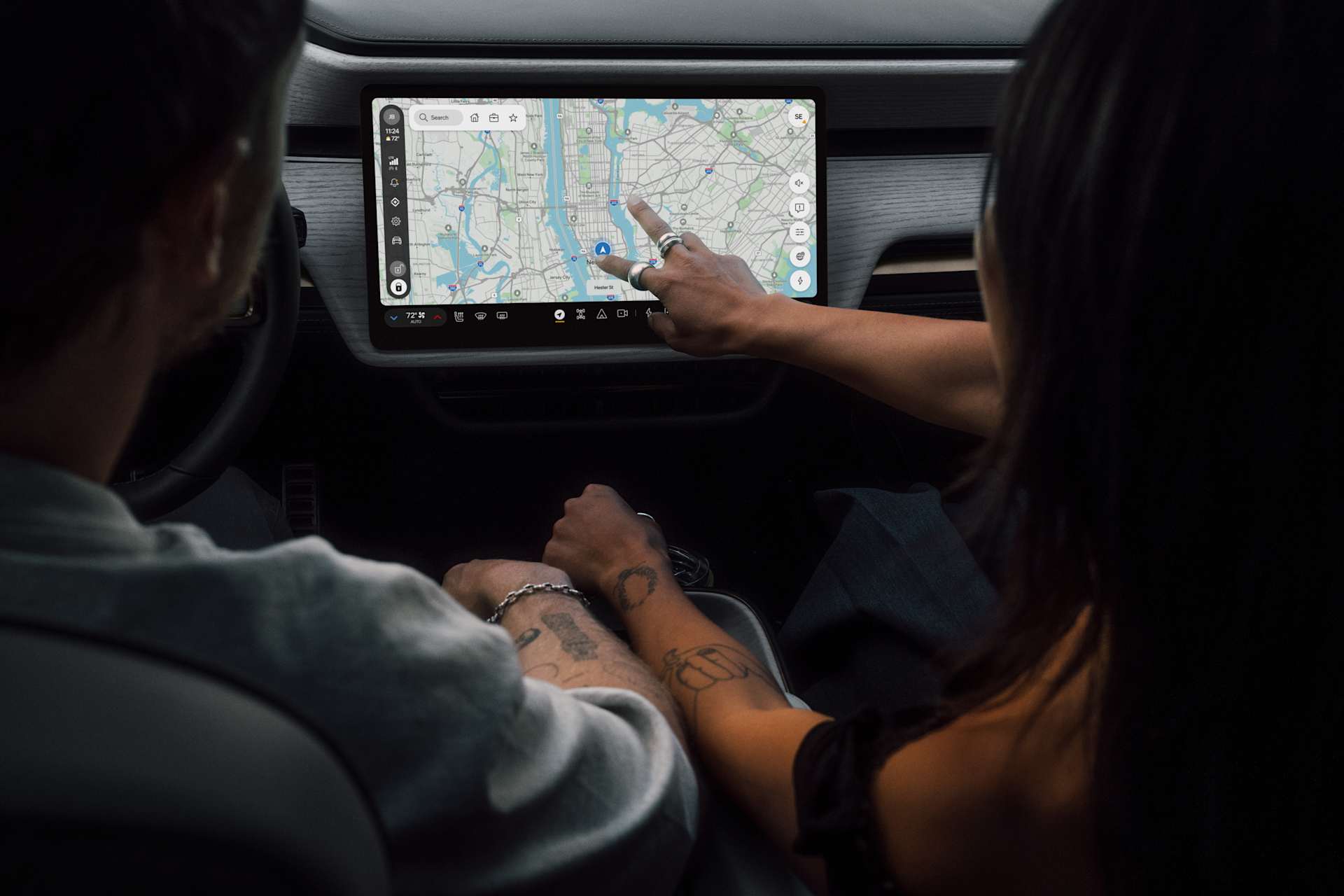
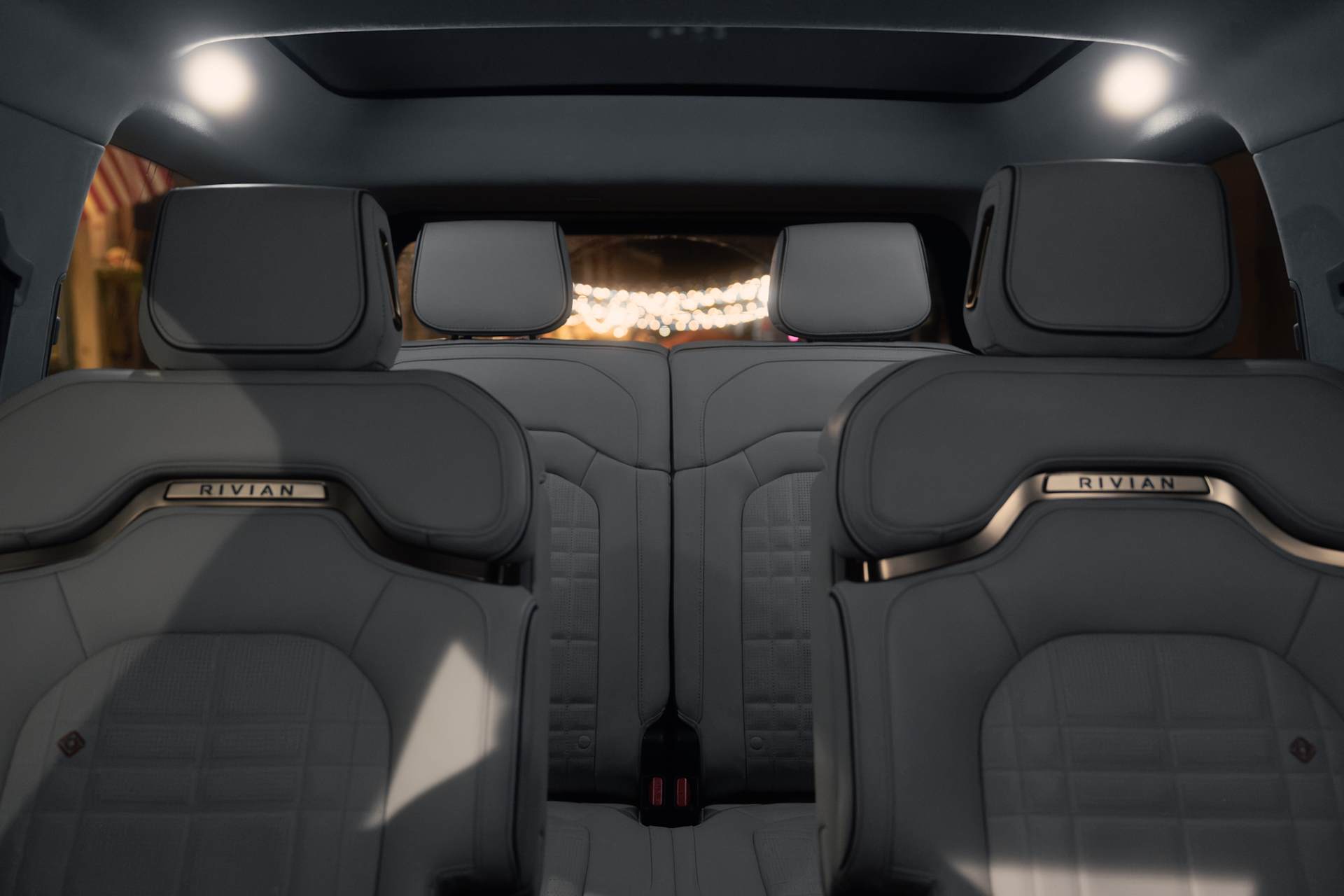
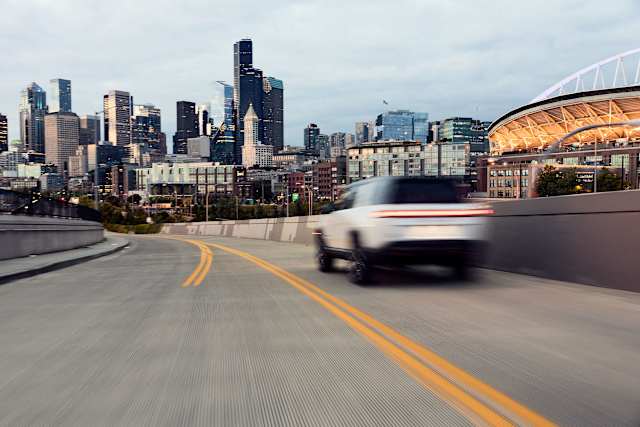
Traditional automotive photography is about speed, scenic locations and glossy sheet metal. “In New York, it's a little bit different,” he says. ‘When you're in the city, your car is pretty much parked most of the time. It's parked in traffic, or it's parked in a parking spot or a garage.” To take the expected approach would be to go against what makes the city special, and would fail to capture how New Yorkers actually think about their cars.
“Your car is your most expensive outfit in New York.”
Owning a vehicle where street parking and public transit reign is an expressive act. “I joke that your car is your most expensive outfit in New York,” Mo says. Here, how you feel about your car when it’s parked or crawling along at 2 miles-per-hour is just as important as its zero-to-sixty time. Slowing down doesn’t diminish the romance, it simply shifts the balance of what matters. “There’s a certain pride in owning a beautiful car here,” he says.
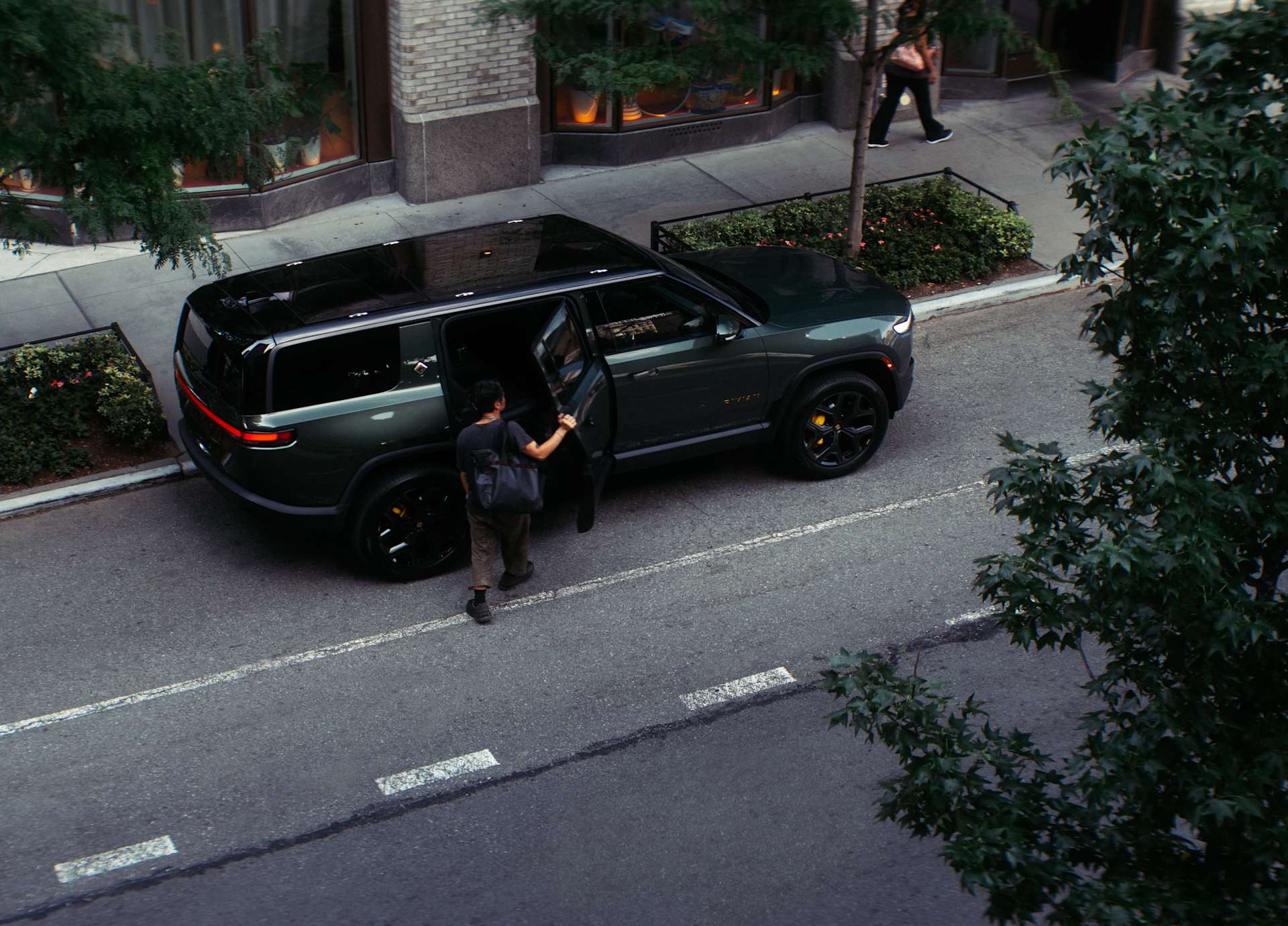
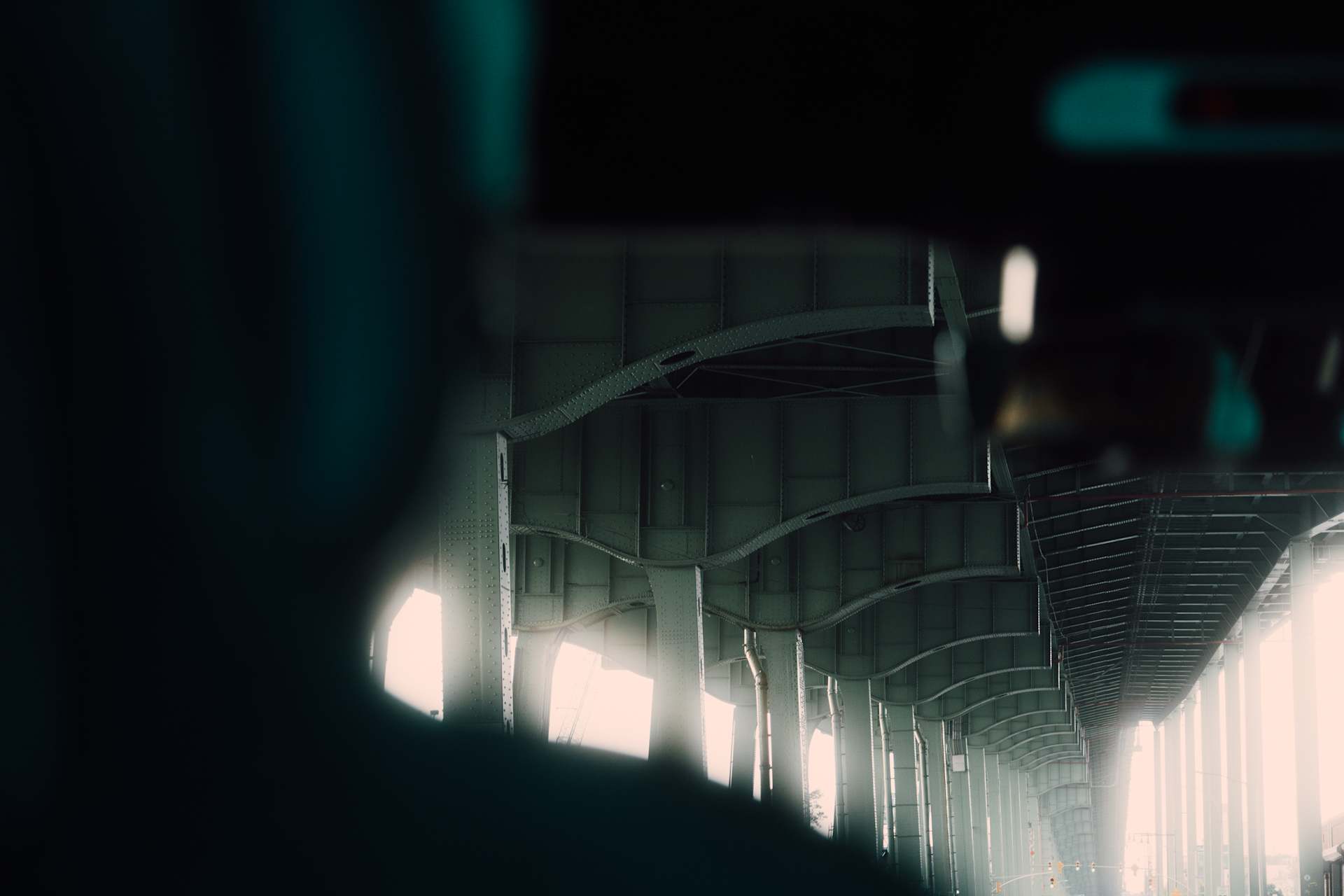
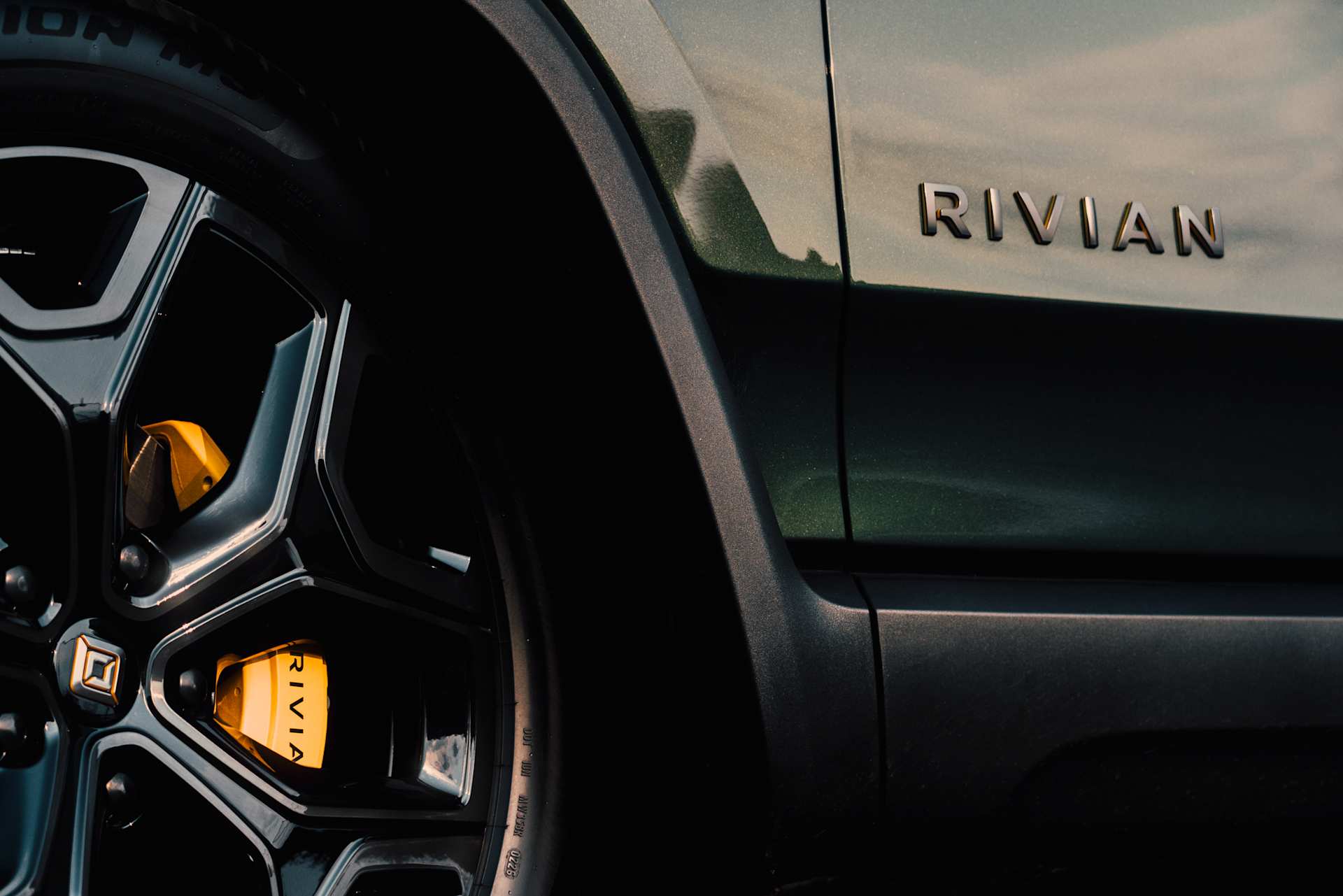
In his images, Mo explores the space between observing a vehicle and inhabiting it. There are shots where the architecture seems to engulf it and shots where it feels woven into the fabric of the city block around it; there are shots that feel intensely cinematic and shots that feel like snippets of ordinary life. “New York is inherently contemplative,” he says. The images speak to that rhythm: owning a car, looking at it and leaving it behind.
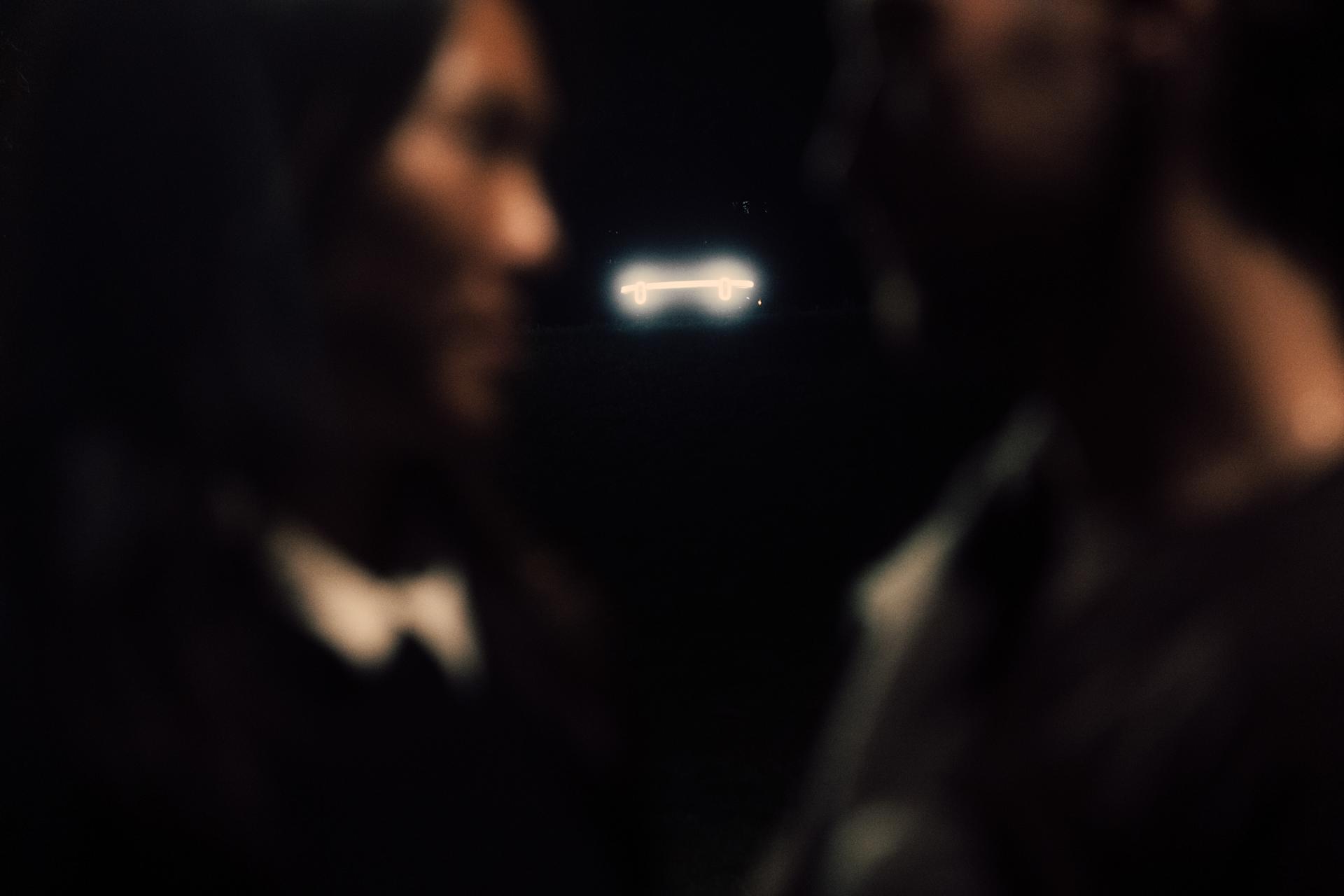
New York made the R1S interior feel like a sanctuary. While navigating the teeming streets, Mo says, “the sound deadening and the acoustic profile that the car has is very, very relaxing. I actually liked being in traffic.” Then, when he filled the seats with people, “it became our own little lounge. It's really hard to find that in New York.” The din of truck engines, car horns, air conditioners and crowds of pedestrians put peace and quiet at a premium. So, while traditional automotive may glorify the roaring V8, having one of those under the hood in New York is hardly a value-add for most — least of all anyone in the street
“When filled with people, it became our own little lounge. It’s really hard to find that in New York.”
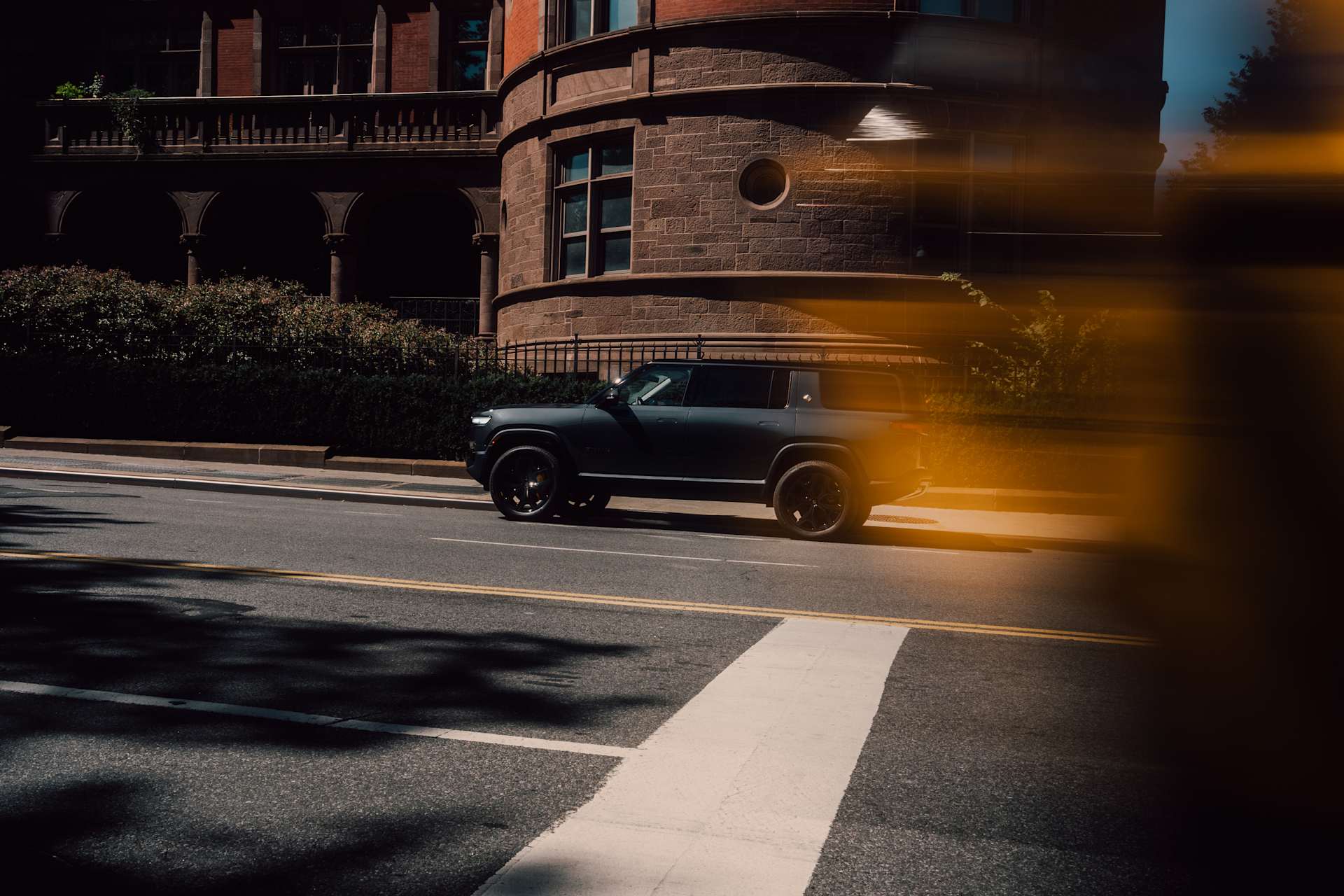
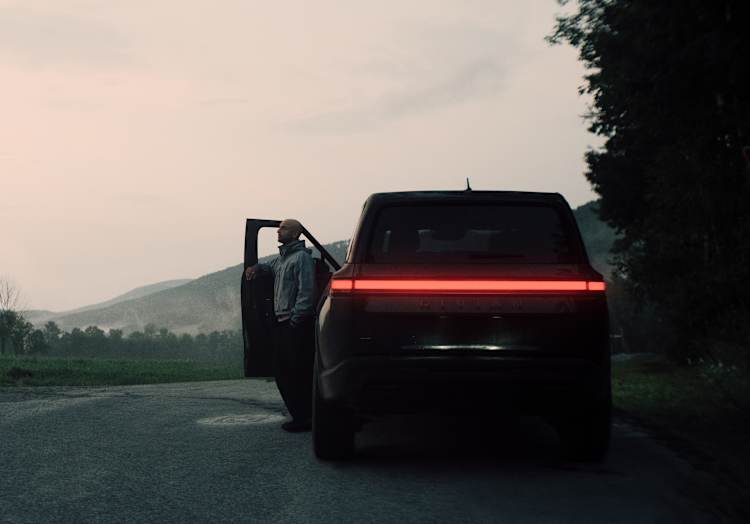
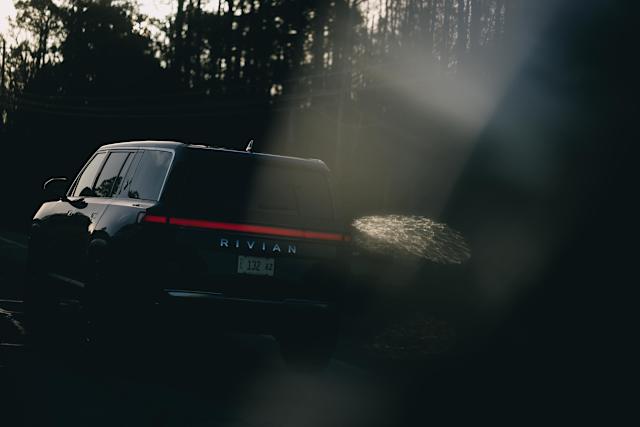
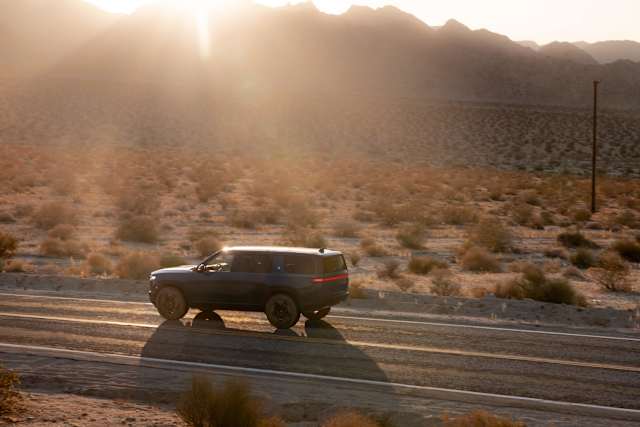
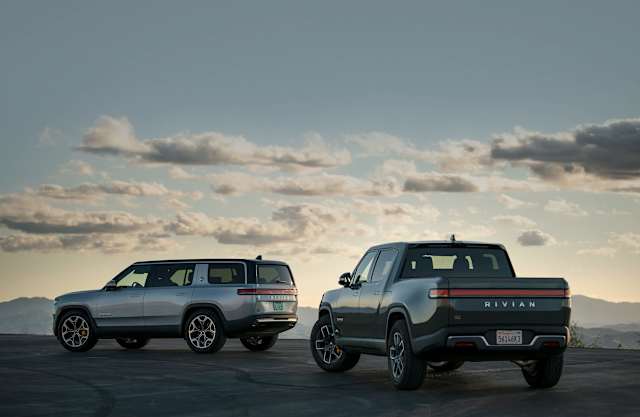
One of Mo’s goals was to bring out the adaptability of the R1S. “It's a car that obviously makes sense on the West Coast, but also makes sense on the East Coast,” he says. “The R1S is a really good supporting actor in people's lives.” As a highly capable SUV off-road, the R1S is definitely at home on mountain trails. But it also serves beautifully as a quiet, comfortable daily driver on pavement. Its versatility is core to its identity.
“There’s a saying, that if you get out of your car and you don’t look back at it, you chose the wrong car.”
To prep for his shoot, Mo spent time getting to understand the vehicle. “I just lived with it for a while,” he says. He was able to integrate it into his daily routine across Manhattan and Brooklyn. Crisscrossing the city, finding street parking, scouting, ferrying friends and running errands, he says, “I was mostly surprised at how comfortable I felt driving an SUV everywhere.”
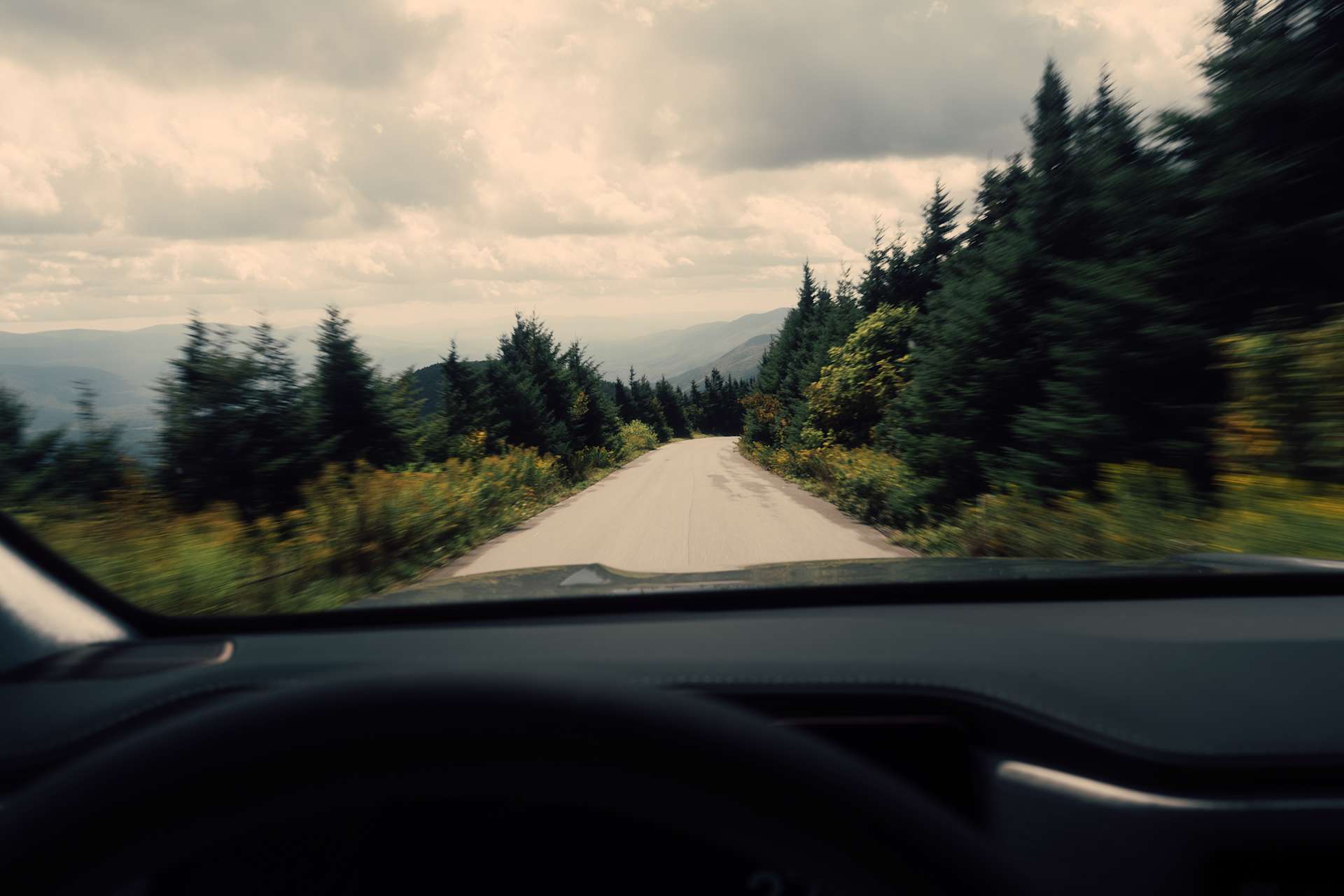
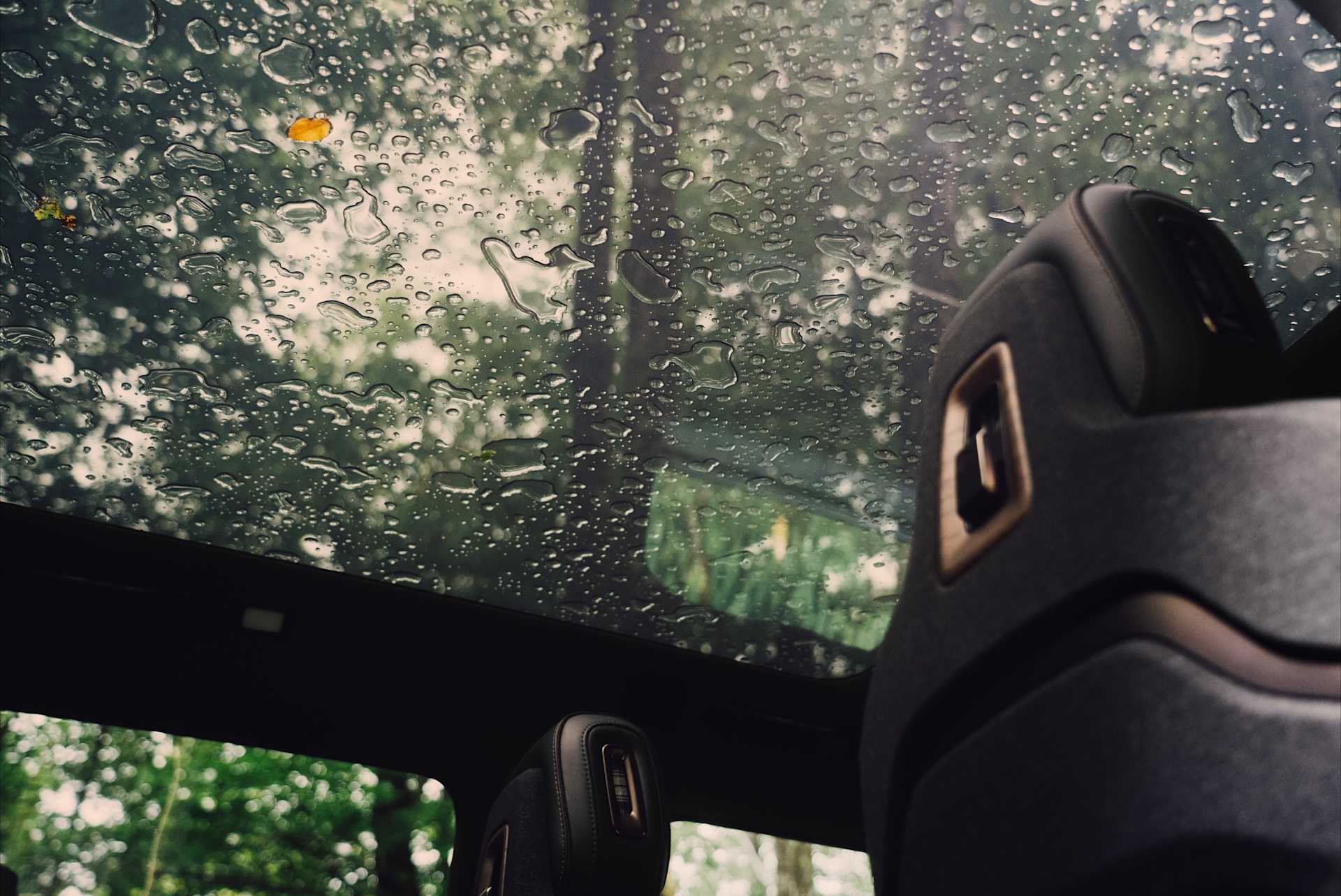
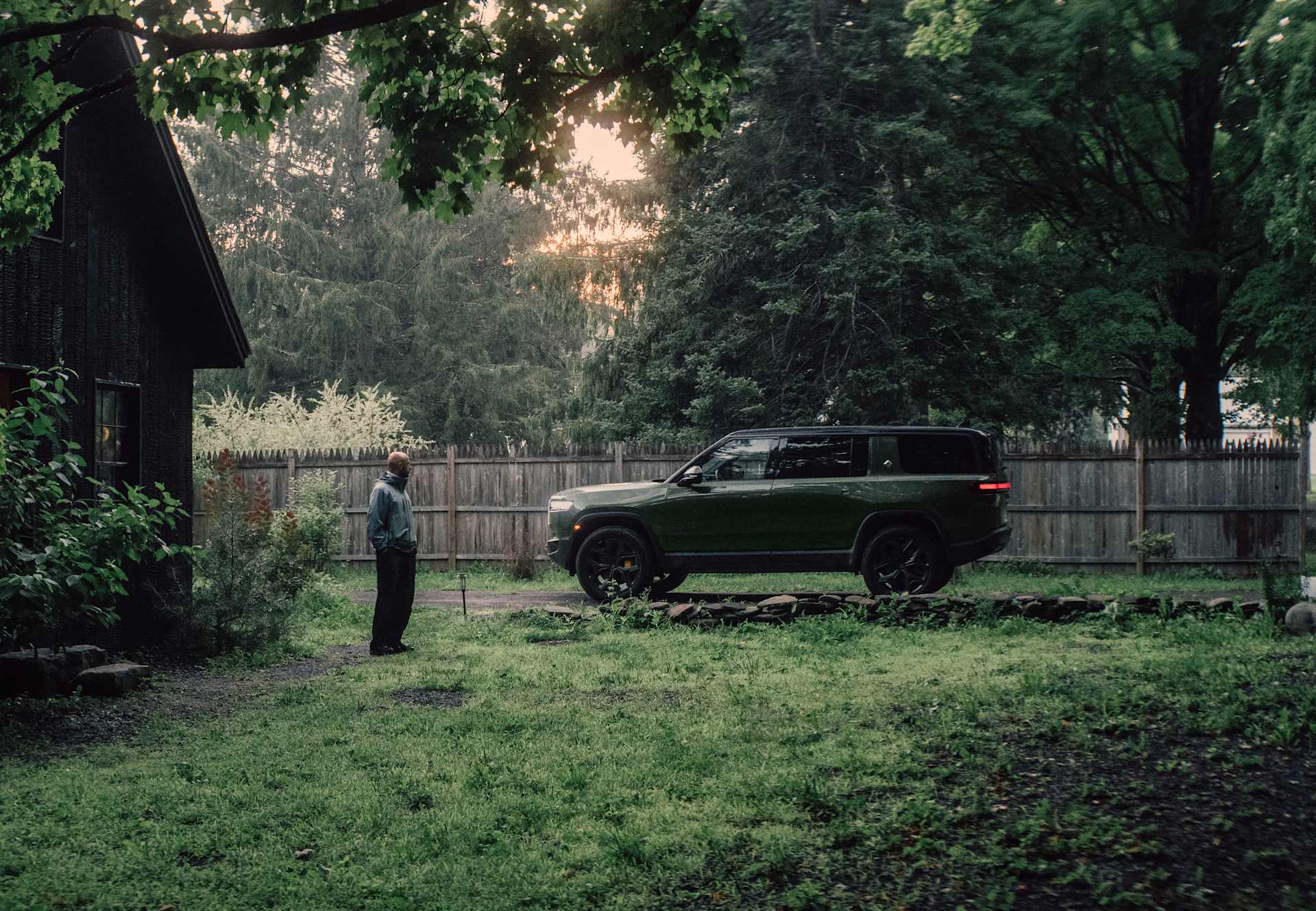
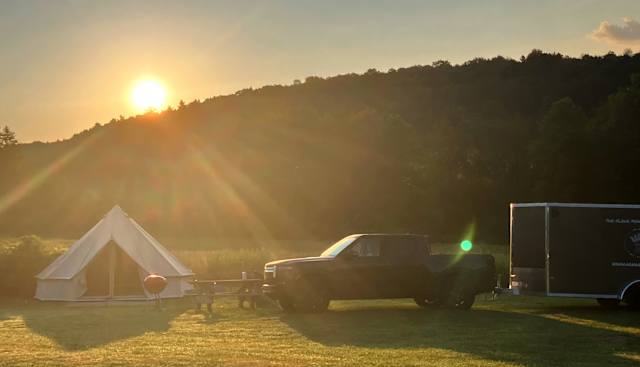
He did not entirely resist the temptation to leave the city, however. A soggy sojourn with the R1S in the Adirondacks took him to terrain that many people might consider more familiar for Rivian: muddy fields, remote forest roads and rustic campgrounds. But this is just one facet of Rivian, one facet of New York. New Yorkers do not spend every moment of their lives in the five boroughs. They get out and explore like everyone else. And those long miles driving on 87 between the Tappan Zee and Lake Champlain are a breeze in the R1S.
Mo returns to his central creative question: what does a car mean in New York? For him, it’s an expression of self. It says you’re OK with slowing down. It’s a sanctuary and a lounge. It’s a beautiful thing to look at on the street. It’s an escape. One thing is for sure, New Yorkers love their cars as much as anyone. “There’s a saying — if you get out of your car and you don’t look back at it, you chose the wrong car,” Mo says. “I think that says it all.”
Mo's favorites