Today, we published Carbon Footprints for our Gen 2 R1S and R1T, which assess and discuss the lifetime carbon footprints of the following vehicles:

In January of 2024, Rivian shared our Carbon Footprint Reports to take stock of where we’ve been and map out our journey ahead. One of our key goals is to launch a product with half the lifecycle carbon footprint as our 2022 R1 products by 2030. We believe in sharing this data so that our Rivian community can track our progress towards this goal and understand the sustainability benefits of purchasing a Rivian.
In our Gen 2 carbon footprint reports, we describe how we’re holding ourselves accountable and delivering a 15% vehicle carbon footprint reduction.
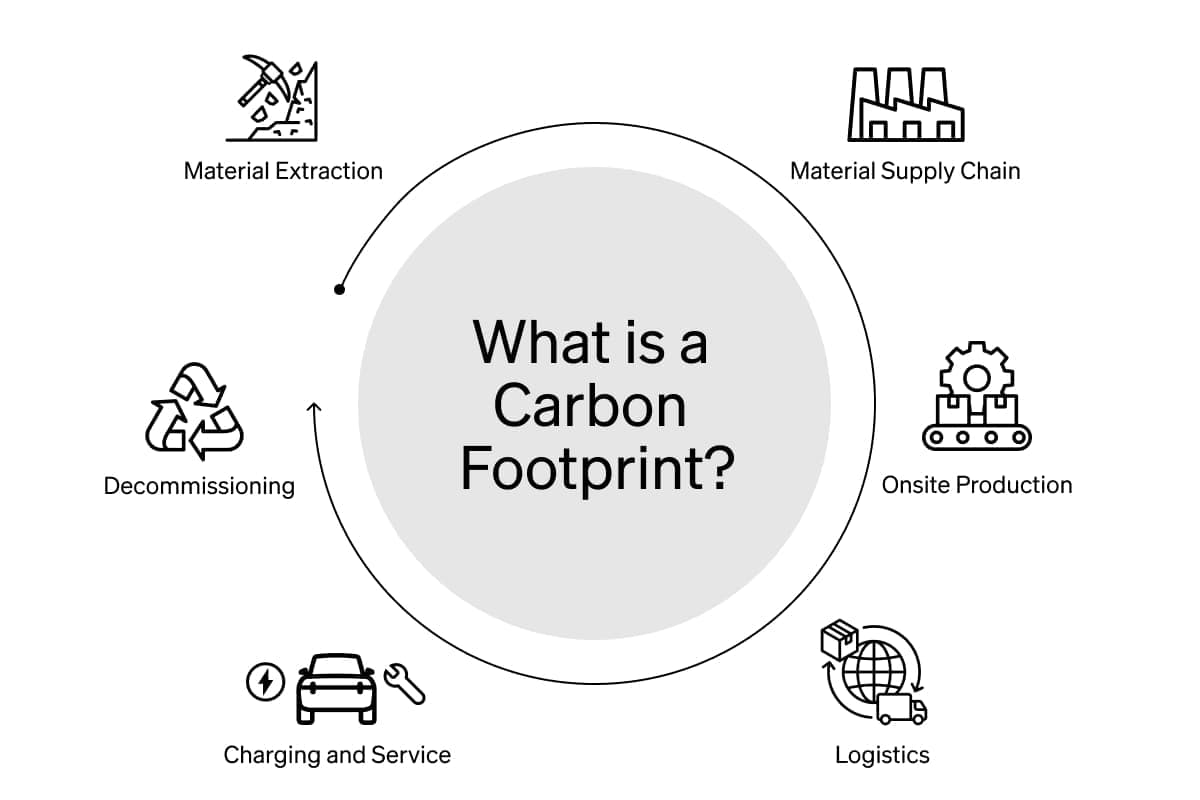
A carbon footprint is the analysis of potential greenhouse gas emissions, over the life cycle of a product. A carbon footprint is a type of Life Cycle Assessment (LCA) measured in carbon dioxide equivalents (CO2e). It’s one of the many tools we use to inform our decarbonization strategies and progress towards our impact goals.
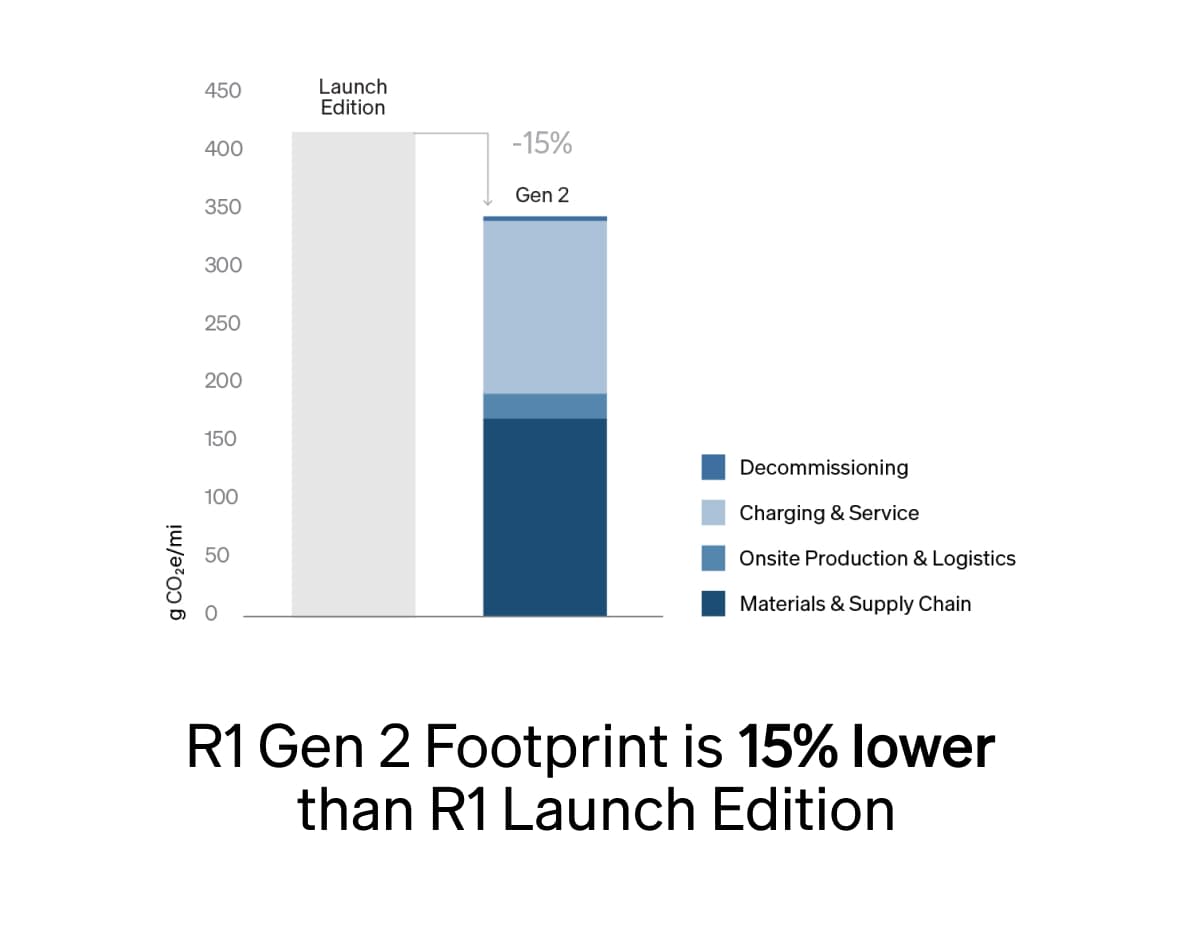
We used our understanding of the Launch Edition carbon footprints to identify critical areas of improvements. Below are some of areas that have contributed to the 15% carbon footprint reduction.
Materials and Supply Chain
Onsite production and logistics
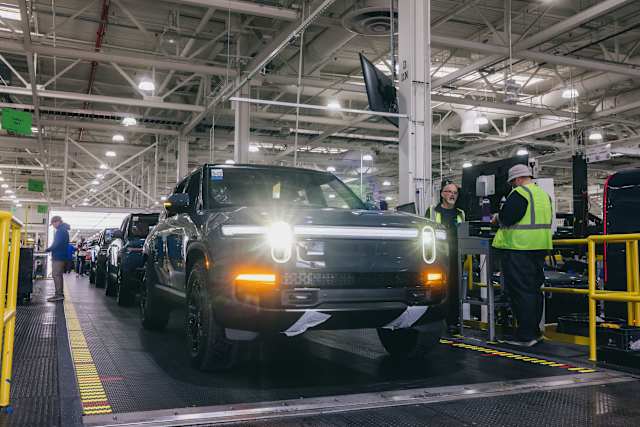
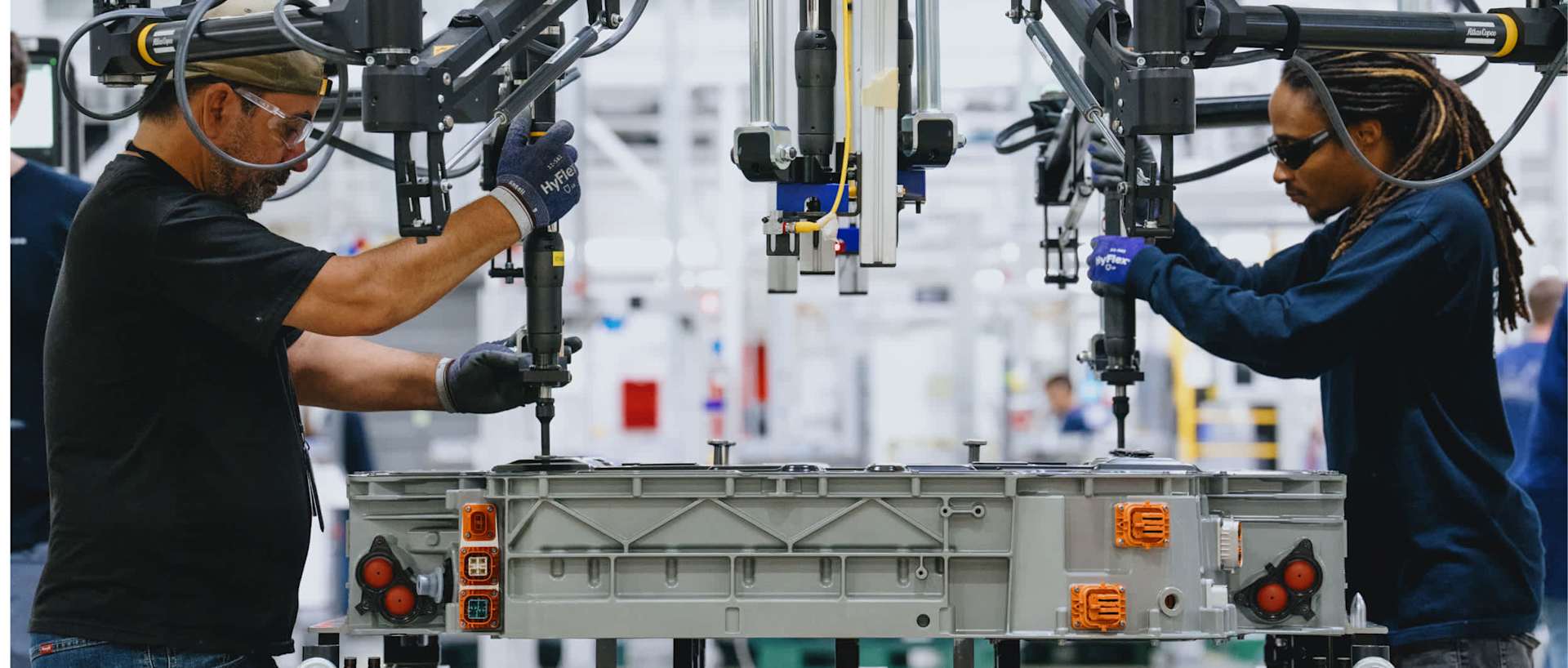
Our carbon footprint from onsite production and logistics during 2023 was 45% lower of that in 2022. This is due to:
Charging
During the use phase, the Gen 2 R1s use significantly less energy than their predecessors. Some key drivers of this are:
The current R1 lineup offers ranges of up to 420 miles.
View our Carbon Footprint Reports here: