Since founding Kōkua Hawaiʻi Foundation in 2003, Jack and Kim Johnson have witnessed the impacts of climate change first-hand within their island community. For the past 22 years, they’ve worked to help mitigate the effects of sea level rise, coastline pollution, and overflowing landfills by practicing and teaching sustainable living to locals and visitors through their variety of programs across Hawaiʻi.
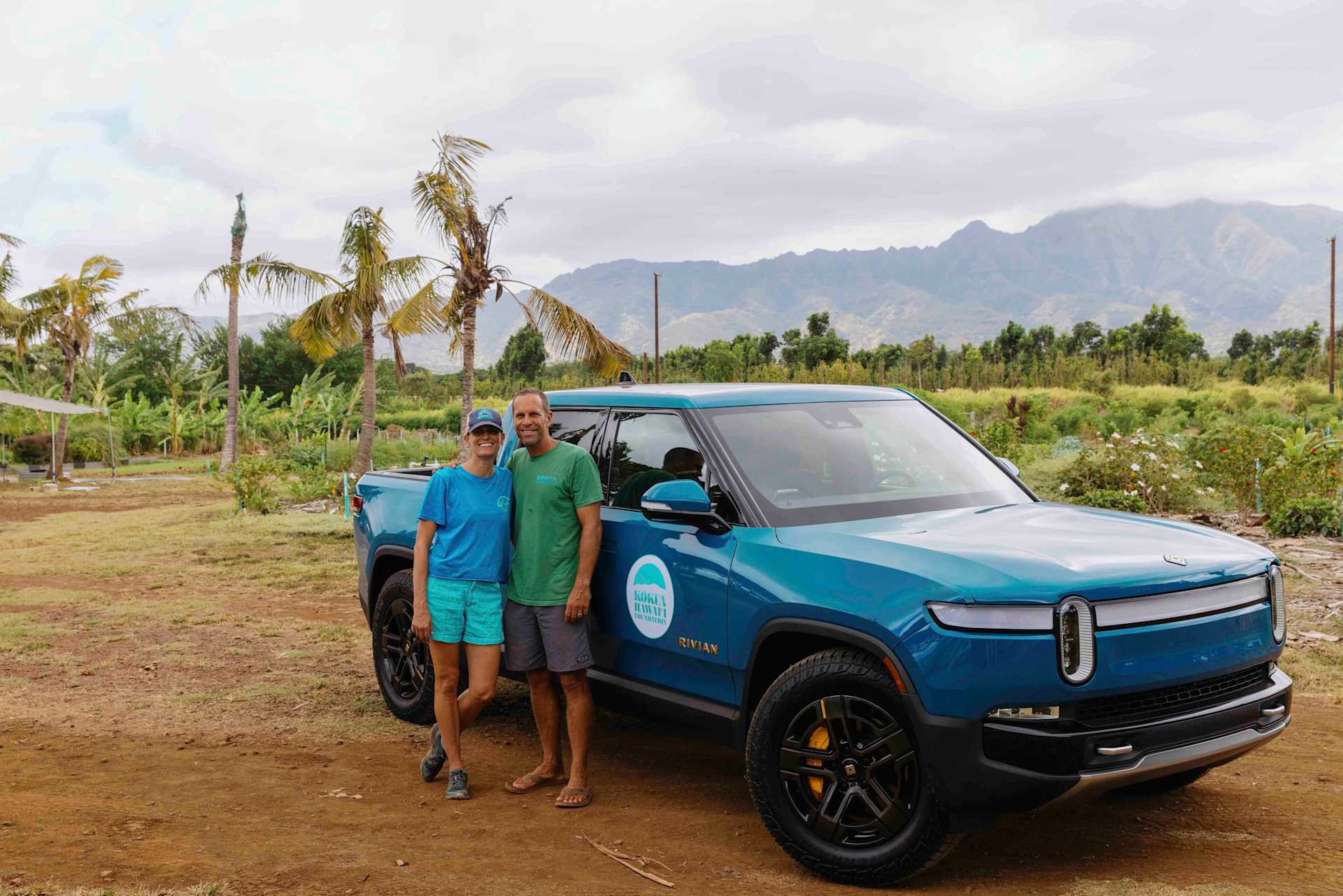

Perhaps the most rewarding part of their work, they said, is watching kids who participated in the foundation’s school programs grow up to be young adults who volunteer on the learning farm and continue to practice sustainable living concepts they learned many years before. “We believe that if kids fall in love with nature when they're young, they'll take care of it when they’re older,” Kim said.
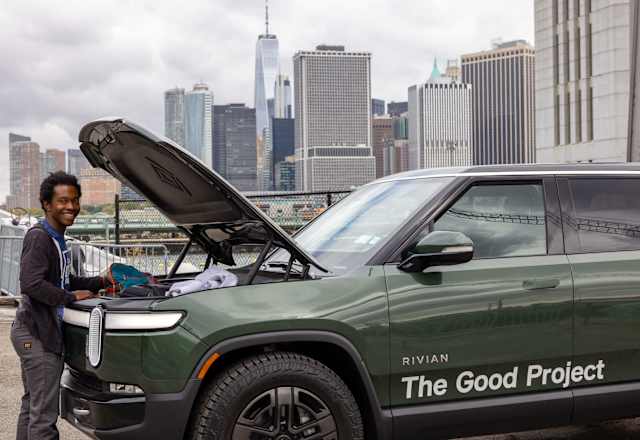
Six months ago, Rivian donated an R1T to help support the mission and work of the Kōkua Hawaiʻi Foundation. Read on to learn more about the foundation and how the team has put the truck to work hauling equipment on the farm, carrying away debris from Hawaii’s coastlines, and more.

What originally made you want to create Kōkua Hawaiʻi Foundation, and what did you hope it would do?
In 2003, Jack and I founded Kōkua Hawaiʻi FoundationOpens in new tab to support environmental education across the schools and communities in Hawaiʻi. Our mission is to create lifelong stewards of the Earth. Mainly we wanted to give kids positive experiences in nature, connecting them to the land and waters they call home. We believe that if kids fall in love with nature when they're young, they'll take care of it when they’re older.
“Kokua 1.0”, as I like to call it, has five main programs: ʻĀINA In Schools, a farm to school program, which provides garden, nutrition and compost curriculum and connects kids to where their food comes from, our 3Rs School Recycling Program which supports on campus recycling collection, our Plastic Free Hawaiʻi program which helps schools, communities, and businesses reduce their single-use plastics, and two grant programs, our Field Trip Grants which get students to outdoor sites all across Hawaiʻi, and our Project Grants that support environmental initiatives on school campuses.
How has the foundation grown and evolved?
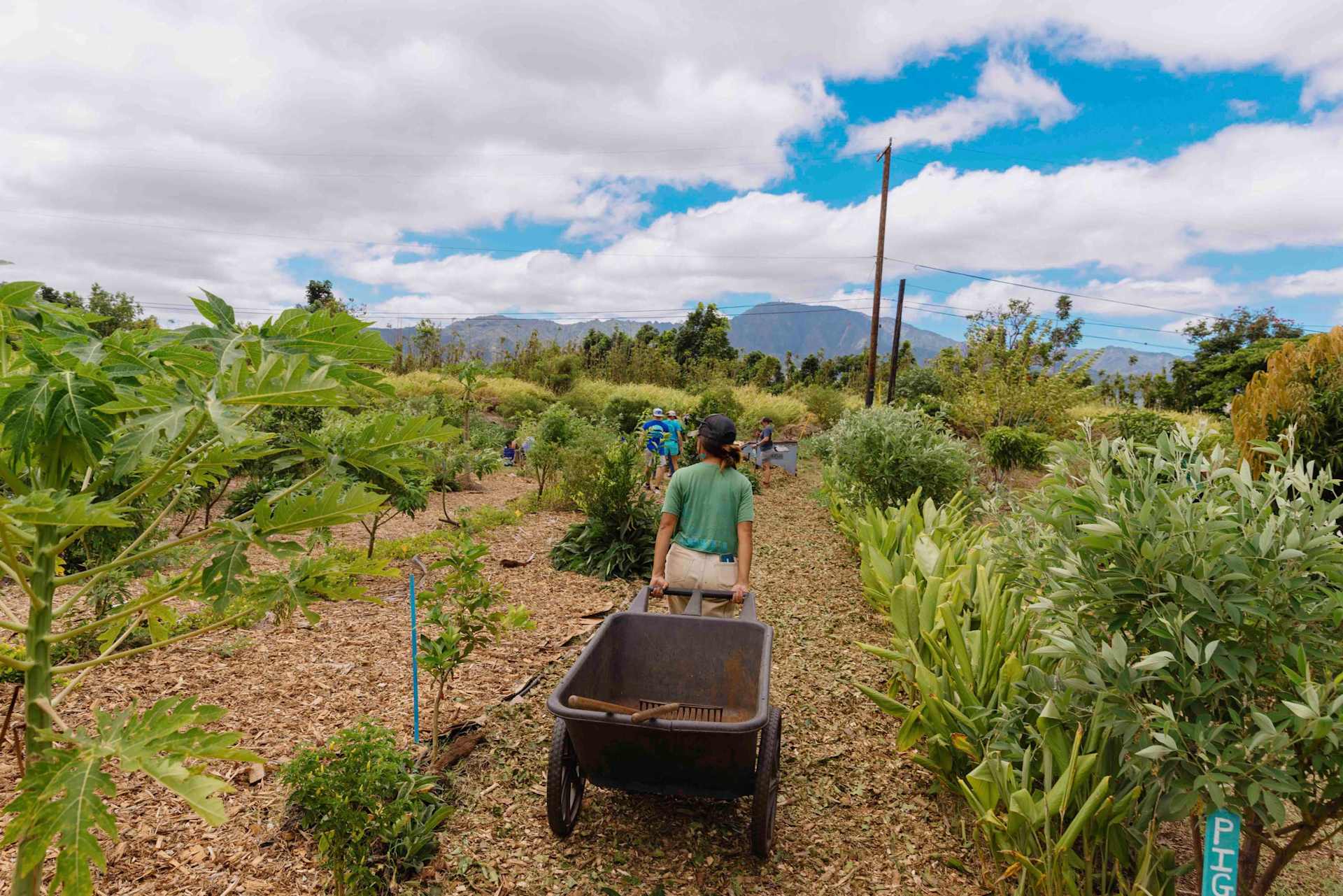
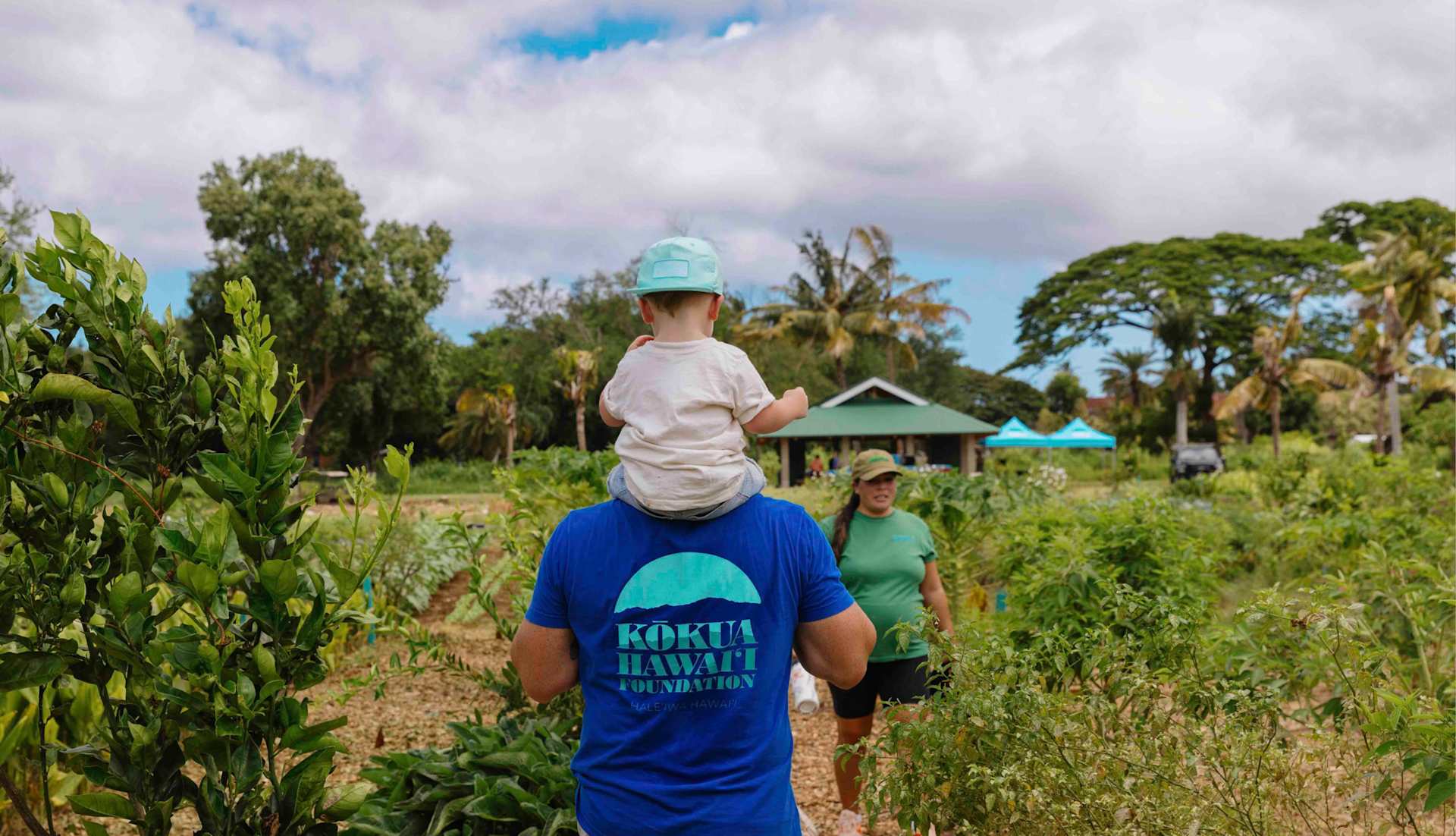
For the first 15 years of Kōkua, we focused on those five main school programs. Then in 2019, we were lucky enough to become stewards of 8 acres of land in Haleʻiwa—7 acres of agricultural land and 1 acre of commercial—which led to “Kokua 2.0” where we are promoting the same concepts as our school programs, but now through social enterprise and creating our own community gathering place to educate people about environmental stewardship, sustainable agriculture, and waste reduction.
We now have the Kōkua Learning Farm, a destination inspiring learners of all ages to support their local food systems. We have two storefronts, the Kōkua General Store, a bulk refill and low-waste lifestyle store, which directly correlates to our Plastic Free Hawaiʻi program, giving people the actual tools they need to cut single-use plastics out of their daily lives. Kōkua Vintage, our reuse boutique offers reused clothing, books, records, and houseware, encouraging people to buy used over new products.
We also recently opened the ʻĀINA Farm Stand, where we sell produce from the Kōkua Learning Farm and other local farms across the island, which directly relates to our ʻĀINA In Schools program by connecting the community through food. We really just want to give people a place to connect and make supporting the environment fun and easy.
What do you consider the foundation’s biggest successes, 22 years in? What about your biggest surprises?
After 22 years, our biggest successes are that now we are working with young people who have gone through our school programs as kids. To see these young adults, now in their mid 20’s to early 30’s, working with us, volunteering on the farm, refilling in our stores, participating in our events and practicing these concepts that they grew up with shows our original vision of creating lifelong stewards of the earth is taking root.
I wouldn’t call it a “surprise,” but we feel very grateful for the thousands of volunteers, members, and business partners who really believe in what we do and take the time to support us.

When did Rivian first cross your radar, and what are some of the things Kōkua and Rivian have in common?
We've known about Rivian for several years now from a good friend, Ben MoonOpens in new tab, who shared all the great work Rivian was doing. We knew we always wanted to work with them, but we were just waiting for the right time. As soon as we started talking with their team, it was this natural, collaborative spirit and we really connected with everyone. We had a great time last summer working with the Rivian team at our Farm to Table Dinner on the Kōkua Learning Farm.
It’s refreshing to partner with a company that promotes people to go outside and connect with nature. Everyone who is a Rivian owner seems to have a similar ideology about caring for the environment and wanting to give back, so it’s great to have a company that is built upon that, as well.
What are your impressions of the truck after six months with it, and how have you put it to work?
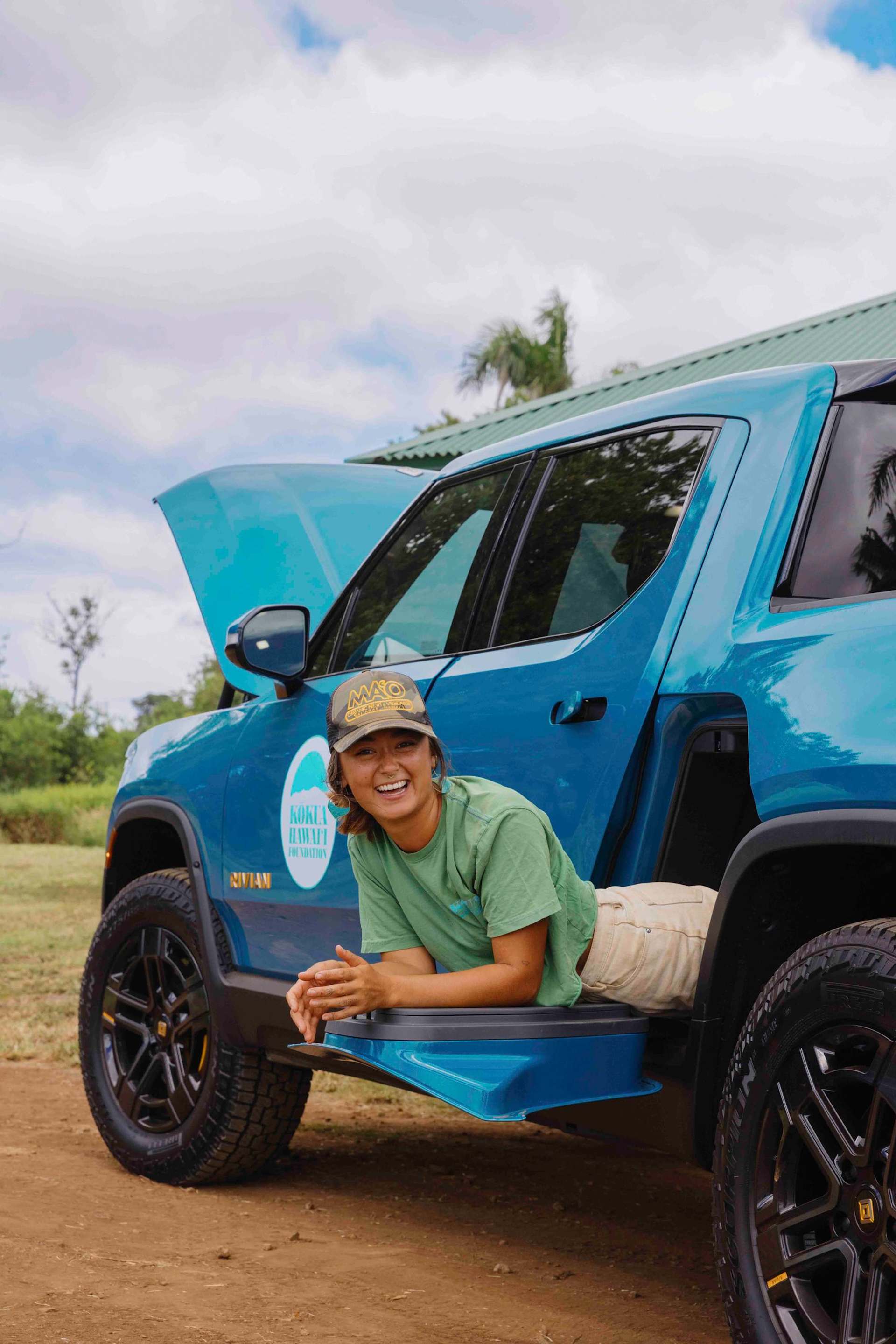
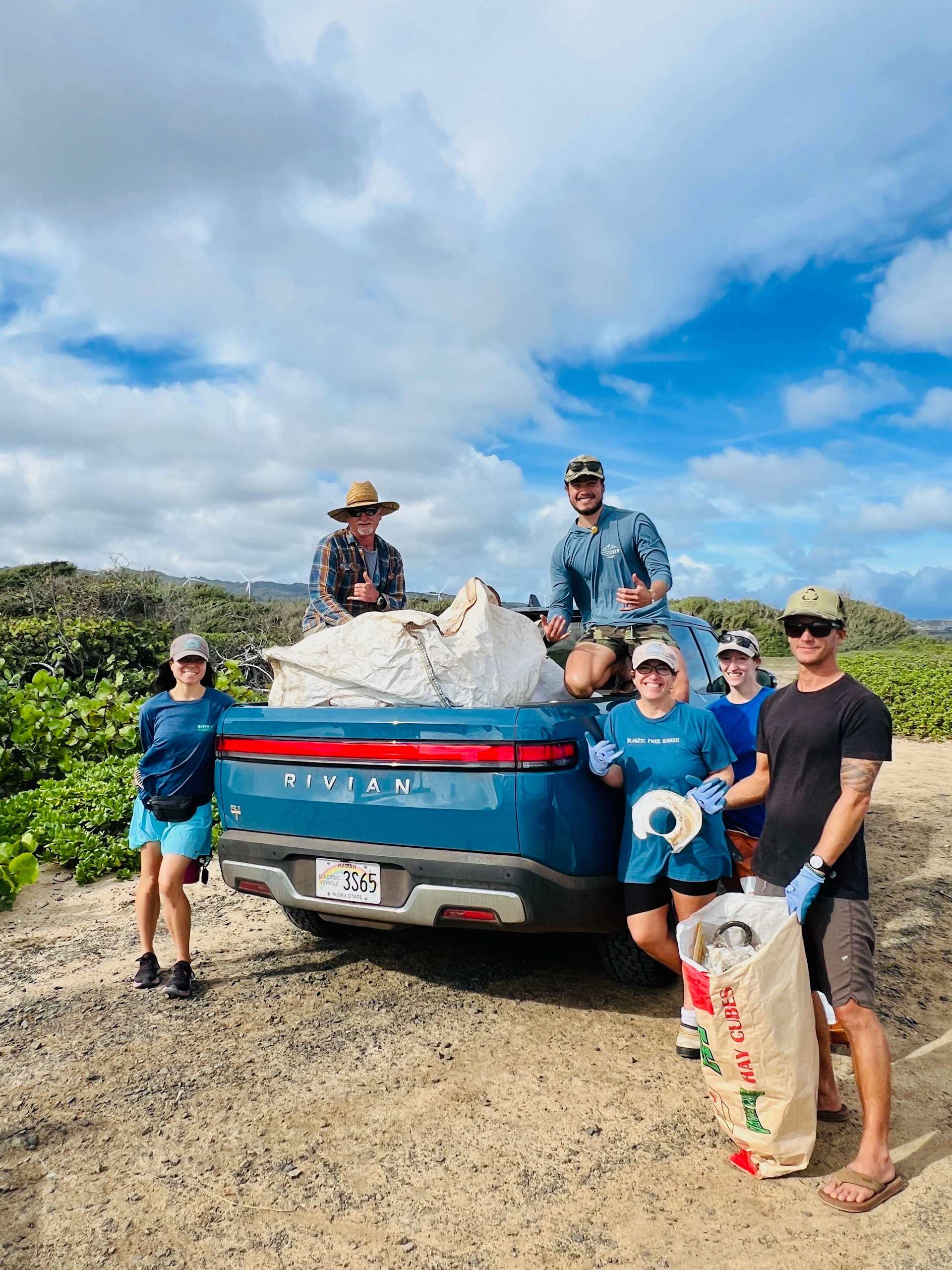
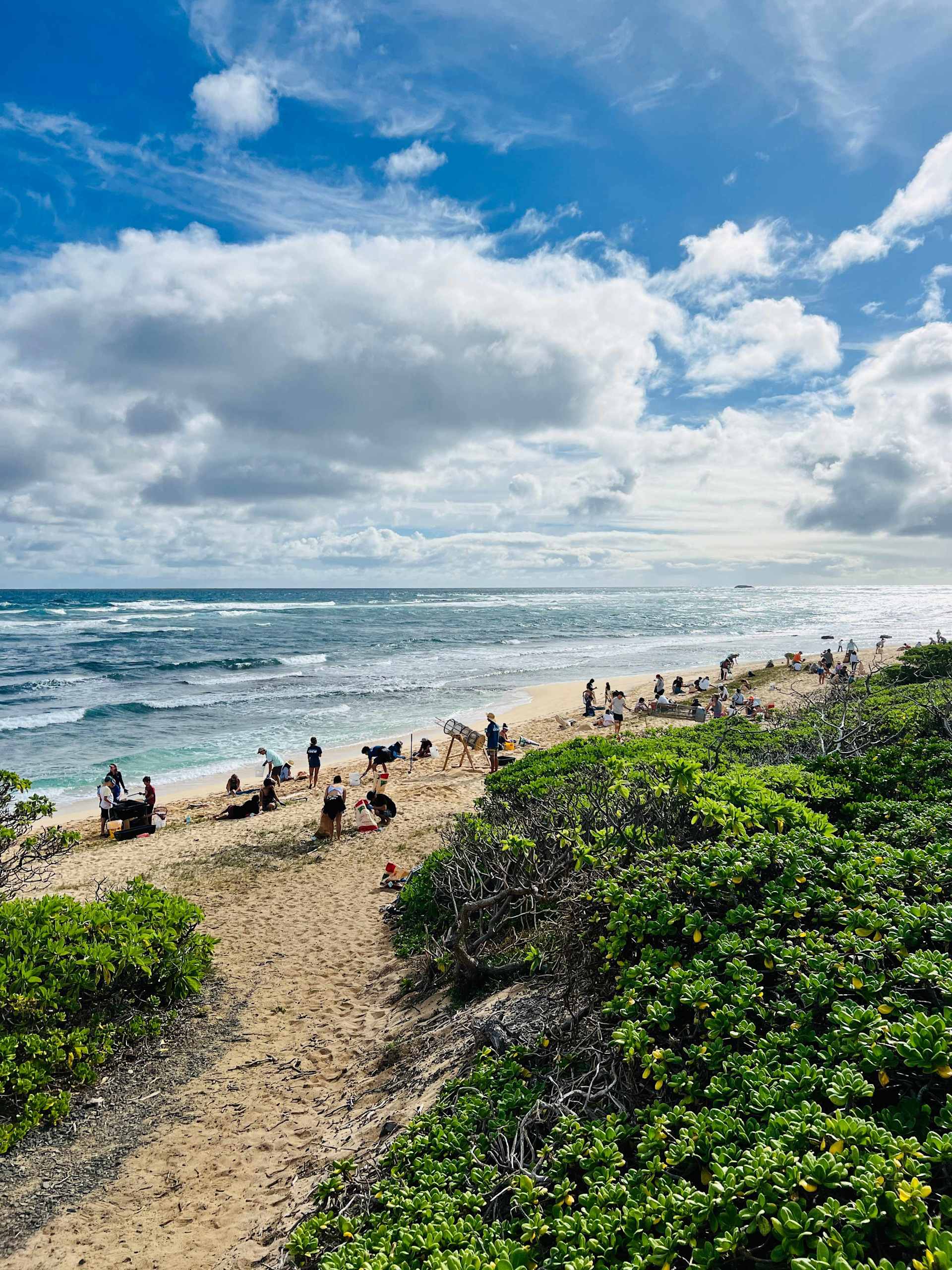
The Kōkua Rivian truck has carried all kinds of things—plants, soil, compost, tree clippings on the farm, large amounts of marine debris and ghost nets at our beach cleanups, recyclable materials at our 3Rs Recycling Drives, our water stations to different events, and of course it’s taken our staff to numerous outreach events. We’re very grateful for our Rivian truck and have received lots of compliments on the color, too!


It seems like island life has a lot to teach about sustainable living. What are some of the most powerful things you’ve learned?
I think living on an island, we see the impact of climate change so much faster. We witness on a regular basis the effects of sea level rise, we watch marine debris washing up on our coastlines, and we see the landfills filling up on our island. We need to consciously think about our waste because the problems are right in front of us, and there is no “away”. Also living in Hawaiʻi, we know that today over 90 percent of our food is imported. Living in the modern day we need to rethink these things and draw inspiration from the fact that at one point, Hawaiians were self-sustainable and had everything they needed in their own ahupuaʻa systems.
It’s pretty scary how dependent we are on the outside world, so we need to work on supporting our local food systems and local energy, and I feel electric vehicles are part of the solution. If we aren't relying on gasoline being imported, and powering our cars off of electric chargers generated by solar energy, that would be an amazing step to a better future.